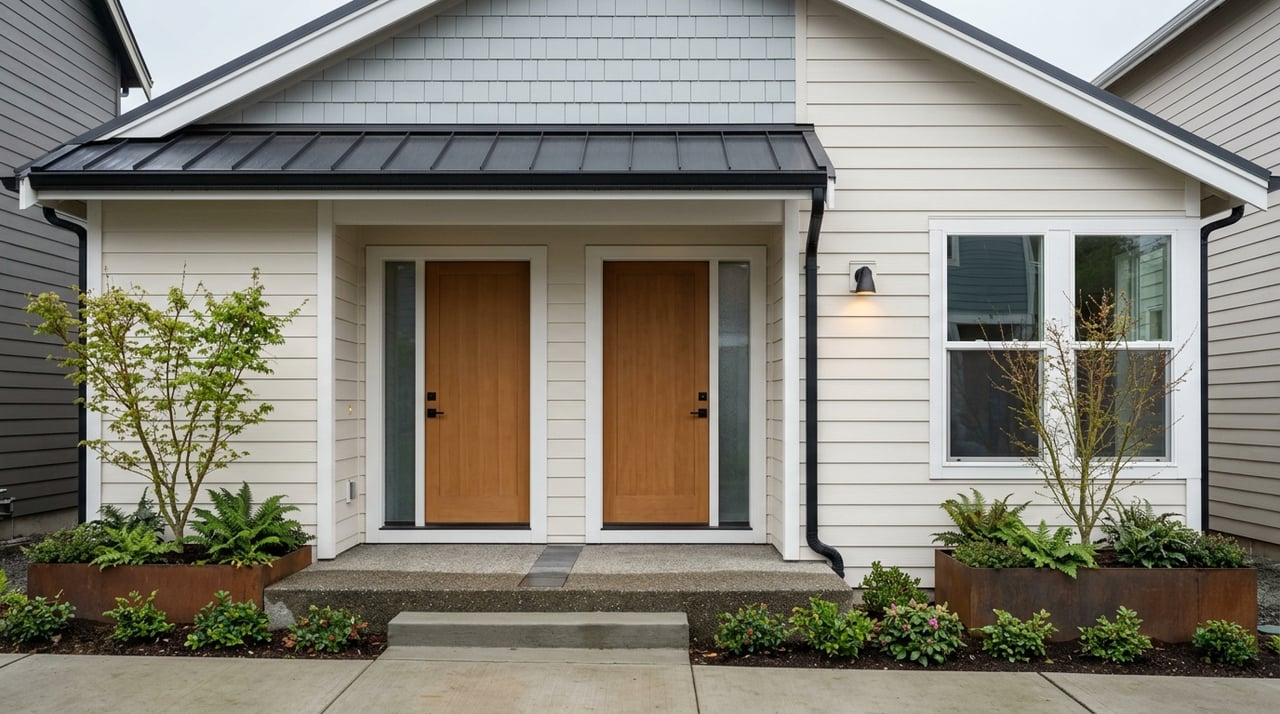
Thinking about buying a townhome or duplex in Capitol Hill? You are not alone. In a neighborhood known for dense urban living, nightlife, and strong transit access, these homes can offer a practical middle ground between a condo and a detached house. This guide will help you understand what to expect in 98102, from pricing and layout to parking, inspections, and ownership details. Let’s dive in.
Why Capitol Hill Appeals to Urban Buyers
Capitol Hill is one of Seattle’s most urban, connected neighborhoods. The City of Seattle describes the First Hill and Capitol Hill regional center as a place where many residents walk, bike, and take transit to work and daily needs. That lifestyle is a big part of why buyers look here in the first place.
The area also has a heavily renter-oriented housing mix. Seattle’s 2023 Capitol Hill neighborhood snapshot shows that 76.9% of households are renter households. That means owner-occupied townhomes and duplexes make up a smaller slice of the market, which can make well-located opportunities stand out.
What Townhomes and Duplexes Offer
For many buyers, townhomes and duplexes feel more house-like than condos. They often have private entries and a stronger connection to the street, even though they may share one or more walls or other building elements with neighboring homes. In Capitol Hill, that can be a useful blend of privacy, function, and location.
Seattle’s residential code covers single-family houses, duplexes, and townhouses with no more than three stories and separate entrances. The city’s neighborhood residential code also allows attached homes such as townhouses and detached homes, and it was updated in 2025 to align with state middle-housing laws. In simple terms, these housing types fit naturally into Seattle’s push for more compact urban housing.
Because Capitol Hill is described by the city as mostly mid-scale residential, you should expect efficient use of space. Many homes are vertical rather than sprawling, with living areas spread over multiple levels. That can mean less yard space, but often a more central location and lower-maintenance footprint.
Capitol Hill Price Range for These Homes
Pricing in Capitol Hill can look different depending on whether you are reviewing sale prices, listing prices, or broad home-value estimates. That is why it helps to look at a range instead of focusing on a single number.
Recent data points show this spread clearly:
- Redfin reported a $965,000 median sale price in Capitol Hill for the three months ending May 2026
- Realtor.com showed a $787,000 median listing price in 98102 with 154 homes for sale
- Zillow reported an average 98102 home value of $737,813 and a median sale price of $834,817 in April 2026
For you as a buyer, the takeaway is simple. A townhome or duplex in Capitol Hill may fall into a broad range depending on size, condition, exact location, parking, and whether the property is classified more like a condo, townhouse, or small multifamily home.
How These Homes Compare to Condos
Townhomes and duplexes often attract buyers who want fewer shared elements than a typical condo building. You may get a private entrance, fewer common areas, and a more direct residential feel. That said, every listing is different, so it is important to confirm exactly what you own and what is shared.
This matters because financing and ownership structure can affect both cost and process. Some townhomes are fee-simple, while others are legally structured as condos. A duplex may also come with a different ownership setup than you expect at first glance.
Why Property Classification Matters
If a property is classified as a condo, your lender may need to review more than just your personal finances. Project-level underwriting can come into play. That can include questions about insurance, financial condition, litigation, title, and physical condition.
The practical point is not that condos are bad. It is that condo purchases can involve more layers. Before you get too far into a property search, ask your lender how they would likely classify the homes you are considering.
HOA and Disclosure Details to Review
If you are buying a condo-structured townhome or similar property in Washington, association documents matter. State condominium law requires resale-certificate disclosures and reserve-study related disclosures. If an association does not have a current reserve study, that must be disclosed.
That matters because low reserves can increase the risk of future special assessments for major repairs. Washington law also requires associations to provide key documents such as the declaration, bylaws, and current reserve study if one exists. The law also caps a reasonable resale-certificate preparation fee at $275.
Questions Worth Asking Early
Before you move forward on a property with an HOA or condo association, ask for clarity on:
- Monthly dues
- What the dues cover
- Reserve study status
- Upcoming major repairs
- Any known special assessments
- Rules affecting owners or occupants
These questions can help you compare homes more accurately and avoid surprises later.
Inspection Priorities for Townhomes and Duplexes
In Washington, licensed home inspectors perform a visual, noninvasive inspection of readily accessible systems. That includes the roof, foundation, exterior, heating and cooling, structure, plumbing, and electrical systems. For most Capitol Hill townhomes and duplexes, that is the right starting point.
Still, the standard inspection may not answer every question that matters in an attached or semi-attached home. Shared walls, drainage, decks, exterior cladding, and association-controlled components may deserve closer review depending on the property. In a dense neighborhood with compact lots and multi-level construction, those details can be especially important.
Smart Inspection Focus Areas
As you evaluate a property, it helps to ask whether extra attention is needed for:
- Decks and railings
- Roof condition and drainage paths
- Exterior siding or cladding
- Shared structural elements
- Water intrusion history
- Components maintained by an HOA
A careful review up front can protect both your budget and peace of mind.
Parking Can Change the Whole Decision
In Capitol Hill, parking is not a small detail. It can be one of the biggest lifestyle factors in your decision.
Sound Transit says Capitol Hill Station at 140 Broadway E does not have Sound Transit parking, though paid parking is available nearby. In East Capitol Hill, an SDOT parking study found the area about 85% full, with 45% non-resident parking, and noted limited off-street parking. That is why you should verify whether a listing includes a deeded stall, garage, or only street parking.
If you plan to rely on a residential parking permit, know that Seattle’s RPZ program is address-based and requires current Washington vehicle registration. Not every address or home setup will work the same way. It is worth confirming the real parking situation before you write an offer.
Transit Access Is Part of the Value
Many buyers choose Capitol Hill because they want to live with less dependence on a car. That is not just a lifestyle preference. It is a practical feature of the neighborhood.
The city notes that many Capitol Hill residents walk, bike, and use transit for work and daily needs. Sound Transit lists light rail, bus, and streetcar connections at Capitol Hill Station. For buyers who want urban convenience without a large condo building, a townhome or duplex can be a compelling option.
How Capitol Hill Differs From Nearby Detached-Home Areas
If you are comparing Capitol Hill townhomes and duplexes to detached houses nearby, the experience can be very different. Seattle identifies the Harvard-Belmont Landmark District on Capitol Hill’s west slope as a well-preserved residential area of early-20th-century homes. That offers a useful contrast with the denser infill housing found in other parts of the neighborhood.
Detached homes may offer larger lots or a more traditional layout, but they often come with a different price point, maintenance profile, and availability. Townhomes and duplexes usually appeal to buyers who want a more urban footprint and a location that keeps daily errands, dining, and transit within easier reach.
What to Keep in Mind as You Search
Capitol Hill townhomes and duplexes can be a strong fit if you want urban energy with a bit more independence than a typical condo. The key is to look past the photos and understand how each property functions in real life.
As you compare options, focus on the details that most affect your experience and budget:
- Exact property classification
- HOA structure and documents, if any
- Inspection scope and building condition
- Included parking or permit options
- Transit access and daily convenience
- Price context based on listing, sale, or value data
A well-chosen home in Capitol Hill can offer a smart balance of location, livability, and long-term flexibility. If you want clear guidance on evaluating townhomes, duplexes, or other urban home options in Seattle, Mark Ashmun can help you move forward with confidence.
FAQs
What is the difference between a Capitol Hill townhome and a Capitol Hill condo?
- A Capitol Hill townhome often feels more house-like, with a private entry and more direct street access, while a condo may involve more shared building elements and sometimes more project-level lender review.
Are duplexes common in Capitol Hill Seattle?
- Duplexes are part of Seattle’s allowed housing mix, but in Capitol Hill they exist within a dense, mostly renter-oriented urban neighborhood where owner-occupied options are a smaller share of the market.
How much do Capitol Hill townhomes and duplexes cost?
- Recent data in and around 98102 suggest a broad range, with reported figures including a $787,000 median listing price, an $834,817 median sale price, and a $965,000 median sale price depending on the source and area measured.
Do Capitol Hill townhomes always have HOA dues?
- No. Some may be fee-simple with no HOA, while others may be condo-structured or association-managed, so you should confirm the ownership setup and monthly obligations for each listing.
What should you inspect in a Capitol Hill duplex or townhome?
- Start with Washington’s standard home inspection, then ask whether extra review makes sense for shared walls, drainage, decks, cladding, roof conditions, or association-controlled components.
Is parking difficult near Capitol Hill Station?
- Parking can be limited. Capitol Hill Station does not have Sound Transit parking, and nearby areas may have heavy on-street demand, so it is important to verify whether a home has a deeded stall, garage, or only street parking.