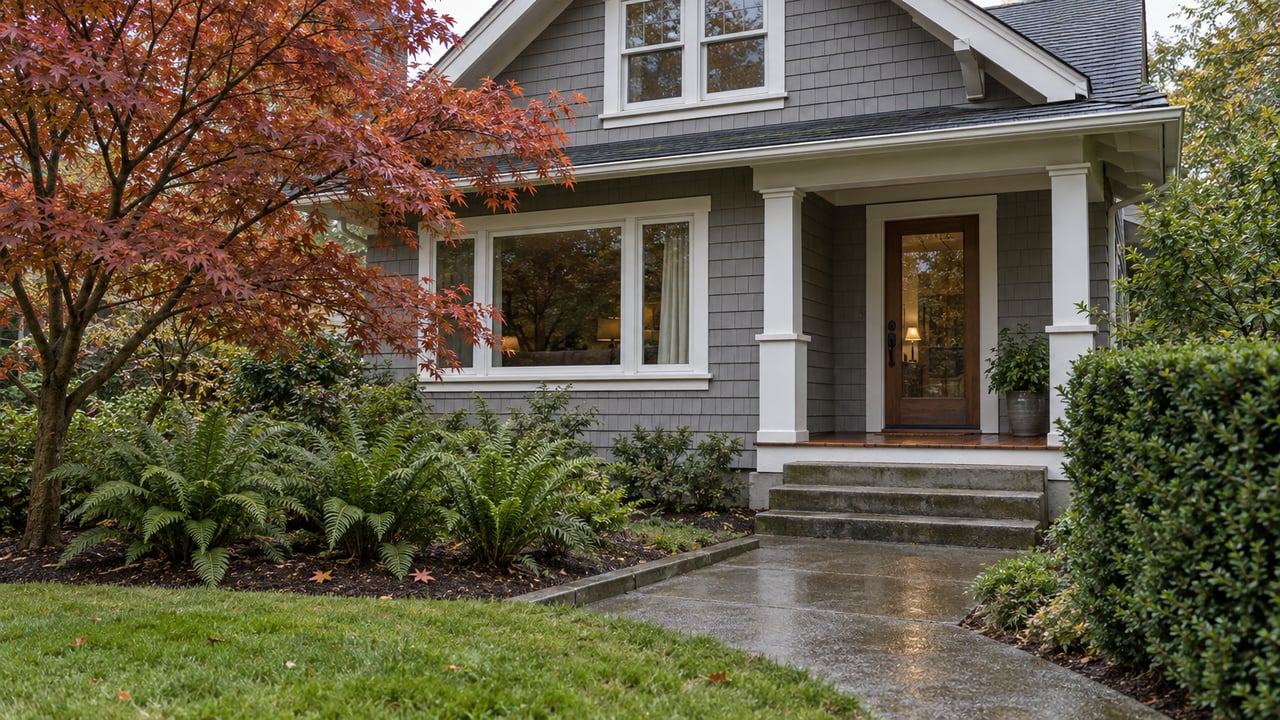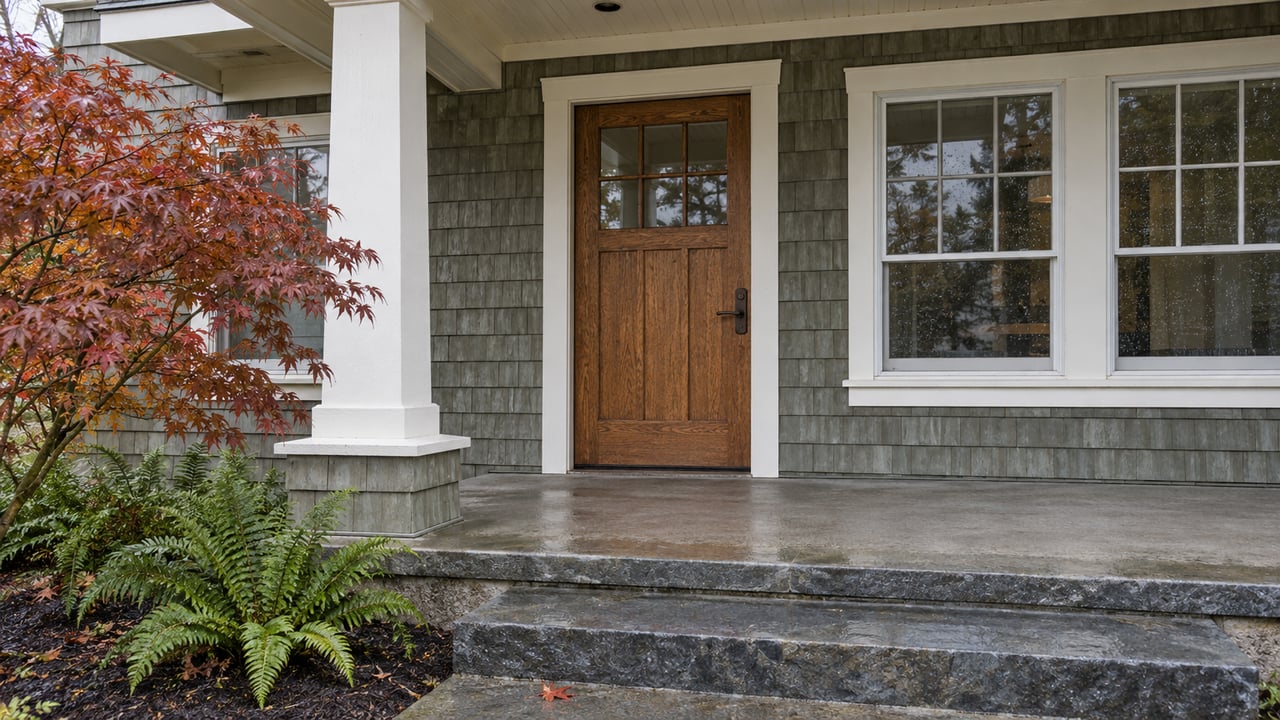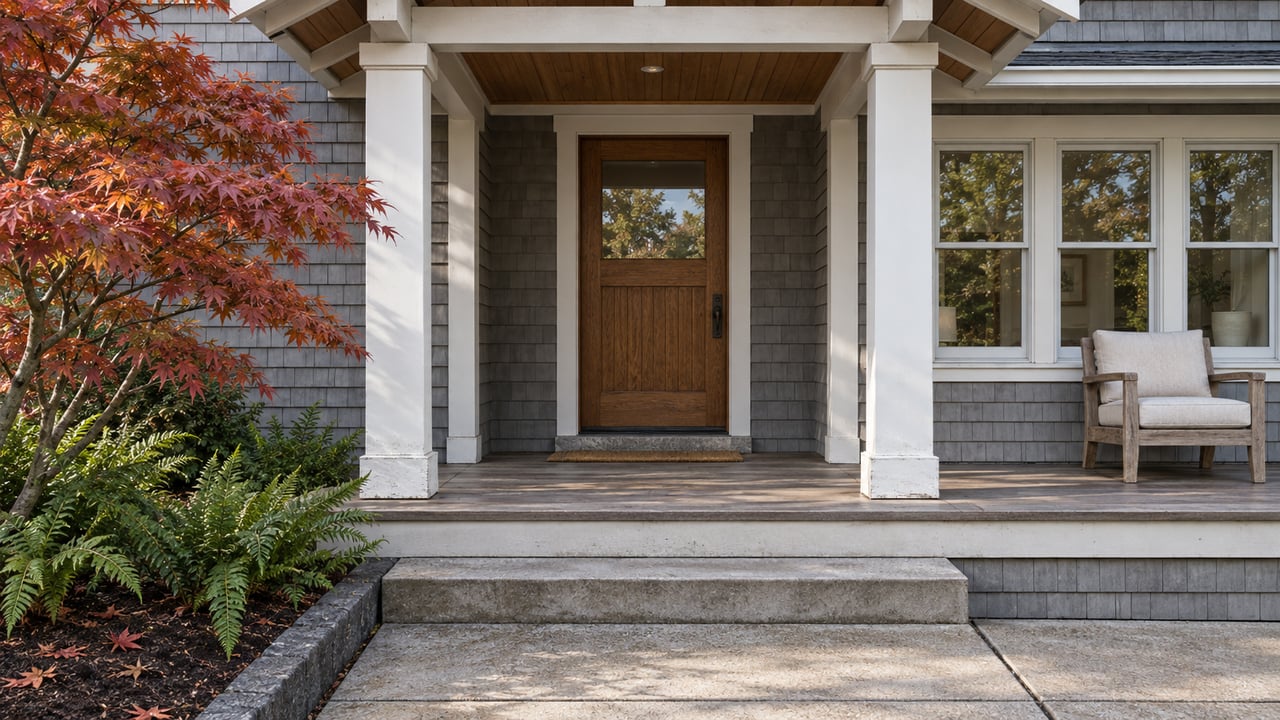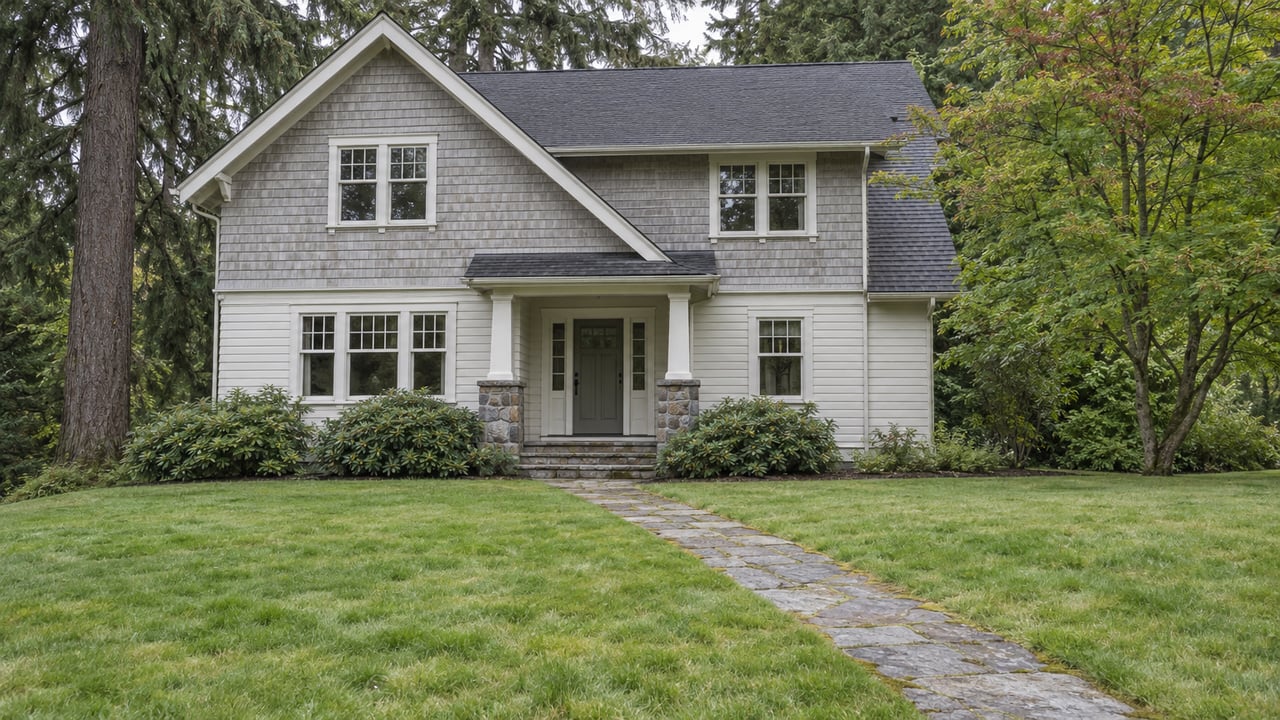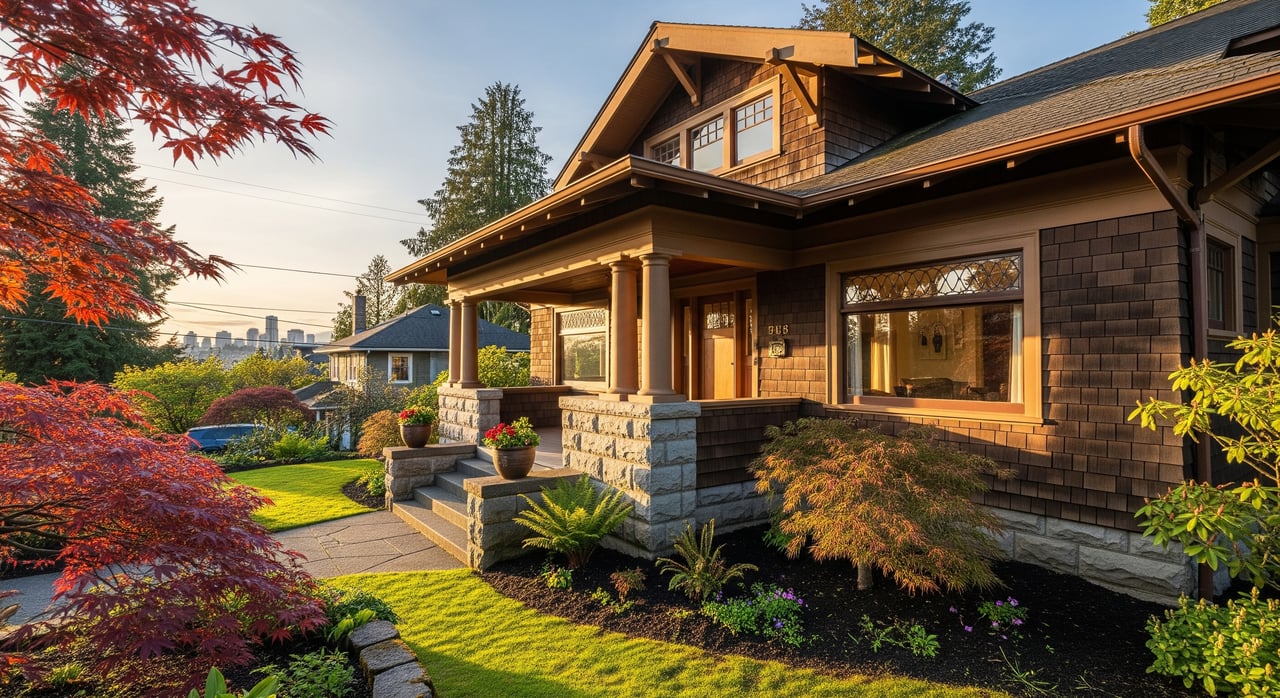
Is your Wallingford Craftsman tough to price? You’re not alone. Vintage homes win hearts with millwork and porches, but layout quirks, permit history, and condition can swing value more than you think. This guide gives you a clear, step-by-step way to build a confident price range using the best local signals and a proven comp process. Let’s dive in.
Wallingford snapshot: what drives value
Wallingford’s early-20th-century Craftsman bungalows and foursquares attract buyers who want character and in-city convenience. Proximity to parks like Gas Works, Meridian Playground, and Wallingford Playfield, plus dining and retail along N 45th, boost demand. Many buyers also prize access to the University District and Fremont, as well as commuting routes into downtown and the UW.
Not every block performs the same. Quieter, tree-lined streets with cohesive streetscapes tend to command premiums over busy arterials. Homes with usable backyards and alley access often appeal to move-up buyers planning longer stays.
Your pricing framework: start to finish
1) Define your comp set
Start close in. Pull closed sales of Craftsman-era homes from the last 3 to 6 months within a 0.25 to 0.5 mile radius. If volume is thin, widen to 6 to 12 months, and note whether the market is rising or cooling. Favor similar lot patterns and the same era of construction.
Match the basics first: gross living area within roughly 10 to 15 percent, similar bed and bath counts, comparable lot size and configuration, and similar parking or ADU status. Use the most authoritative sources you can, such as the Northwest Multiple Listing Service for sales history and the King County Parcel Viewer for lot size, year built, and tax info.
2) Build a baseline price per square foot
From your 3 to 5 closest, most similar sales, derive an average price per finished, legal square foot. Keep basements and attic areas separate unless they are finished, permitted living space. Use this baseline to anchor your range.
3) Adjust for what buyers actually use
Adjust the baseline up or down based on real utility, not just charm. Updated kitchens and baths, a functional primary suite, and a floor plan that flows to the yard generally push value higher. Deferred maintenance, awkward layouts, or unpermitted work often pull value down. Express adjustments as percentage movements or allowances guided by local comps rather than hard numbers in isolation.
4) Verify permits and legal space
Permit status matters in Seattle. Confirm additions, basement finishes, garages, and ADUs using the City of Seattle SDCI permit records. Legal, permitted improvements usually widen your buyer pool and help with appraisal. Unpermitted space should be disclosed and valued cautiously.
Also check whether the property is a designated landmark or in a historic district using the Seattle Department of Neighborhoods Landmarks program. Designation can affect renovation options as well as buyer expectations.
5) Set a strategic list range
Tighten to a list range that reflects current market speed. Faster markets with low days on market and frequent multiple offers allow for upper-range pricing. Cooling conditions call for conservative pricing or targeted pre-list improvements. Use a fresh market snapshot and agent insight to land on a number that supports your goals.
What to match first in comps
- Gross living area and which spaces count as finished, legal square footage.
- Bedrooms and bathrooms, including the functionality of full versus half baths.
- Lot size and configuration, including usable yard, depth, and alley access.
- Condition and updates: kitchens, baths, windows, insulation, and systems.
- Additions: quality, permit status, and how well they integrate with the original floor plan.
- Functional layout: primary suite presence, main-floor bedroom, stair location, and flow to outdoor space.
- Character features: intact built-ins, original moldings, fir floors, and leaded glass.
- Systems and big-ticket items: roof age, foundation, electrical capacity, plumbing, HVAC, and any seismic work.
- Legal units: ADU or studio details and separate entrances or utilities if applicable.
- Curb appeal, landscaping, off-street parking or garage, and any view premiums.
Adjustments that matter for vintage Craftsman
- Finished vs unfinished basement or attic. Only include finished, permitted areas as living space. Unpermitted finishes usually warrant a discount.
- Original character. Restored millwork and built-ins can elevate perceived value, especially when paired with smart updates. Compare like-for-like to observe the premium in real sales.
- Seismic and structural. In Seattle, a documented seismic retrofit can reassure buyers weighing older foundations.
- Energy performance. Insulation, new windows, and modern HVAC help with comfort and operating costs, which some buyers use to justify stronger offers.
- ADUs and income. A permitted ADU can increase buyer demand. Verify permit status and be careful with rent assumptions unless you have documentation.
- Lot usability and orientation. Deeper, flat yards and south-facing rears are often more usable and marketable.
- Parking and storage. Off-street parking or a garage is a practical benefit in Wallingford’s tighter streetscape.
Read market signals before you list
Before setting your price, pull a current snapshot for Wallingford single-family homes. Focus on:
- Median sale price and recent trend for similar vintage homes. Review NWMLS market data and recent closed comps.
- Median days on market and the list-to-sale ratio. Faster sales and above-ask outcomes point to stronger pricing tolerance.
- Price per finished square foot for Craftsman-era homes and how it is trending quarter to quarter.
- Months of inventory and the share of multiple offers, which signal market speed.
- The mix of renovated versus needs-work homes closing lately. If renovated homes are moving faster, updated condition is in demand.
- Local coverage in the Seattle Times real estate section for context on neighborhood sentiment.
Cross-verify key facts like lot size, year built, and legal descriptions in the King County Parcel Viewer. Confirm permit histories with the SDCI permit records.
Special cases and edge calls
- Unpermitted additions. Unpermitted work can limit financing and reduce the buyer pool. Consider removing or legalizing the work if possible, or price with an appropriate discount. Start by checking the SDCI permit history.
- ADUs and rental assumptions. Rely on documented permits and realistic rent comps supported by lender-accepted sources. Appraisers will look for permit proof and income support.
- Teardown vs remodel. Zoning and lot factors drive this call. For development potential or FAR questions, consult the City of Seattle SDCI resources.
- Historic designation. Landmark status can shape exterior alterations and timelines. Verify standing with the Department of Neighborhoods Landmarks program.
Seller prep checklist for a confident valuation
- Gather permits, contractor invoices, and renovation photos. Include dates and scope.
- Document roof age, foundation work, seismic retrofits, electrical and plumbing upgrades, and HVAC specifics.
- Note any unpermitted work and when it was done.
- Collect utility costs if available to showcase energy performance.
- List upgrades to kitchens and baths, including brands and finishes.
- Identify ADU details: permit status, separate entrance, and utility setup.
What you gain with a pro listing strategy
A premium Wallingford Craftsman deserves careful pricing and standout presentation. With professional staging, photography, and video, you position your home to reach the widest qualified buyer pool. Data-backed pricing and skilled negotiation help protect your net proceeds and reduce stress through inspection and appraisal.
If you want a custom valuation that blends live NWMLS data, permit verification, and a marketing plan tailored to your home, connect with Mark Ashmun. Bring your permits, any comps you like, and your goals. We’ll turn them into a smart strategy and a clear plan to list with confidence.
FAQs
How should a Wallingford seller treat finished basements in pricing?
- Count only finished, permitted basement space as living area and value any unpermitted space cautiously to reflect potential lending and appraisal limits.
Do original built-ins and millwork add value to a Craftsman?
- Yes, well-preserved character features can lift perceived value, especially paired with modern systems and kitchens, as shown by comps with similar size and better finishes.
How do unpermitted additions in Seattle impact a sale?
- Unpermitted work can narrow the buyer pool and complicate financing, so expect a discount or plan to legalize it after reviewing the SDCI permit records.
What’s the best way to price an ADU in Wallingford?
- Verify the ADU is permitted, confirm separate access and utilities if applicable, and use supported rent evidence, since appraisers rely on documentation for income-based adjustments.
Should I list high or conservative in today’s market?
- Use current signals like days on market, list-to-sale ratios, and months of inventory from NWMLS data to decide whether to lean toward the top or lower end of your price range.