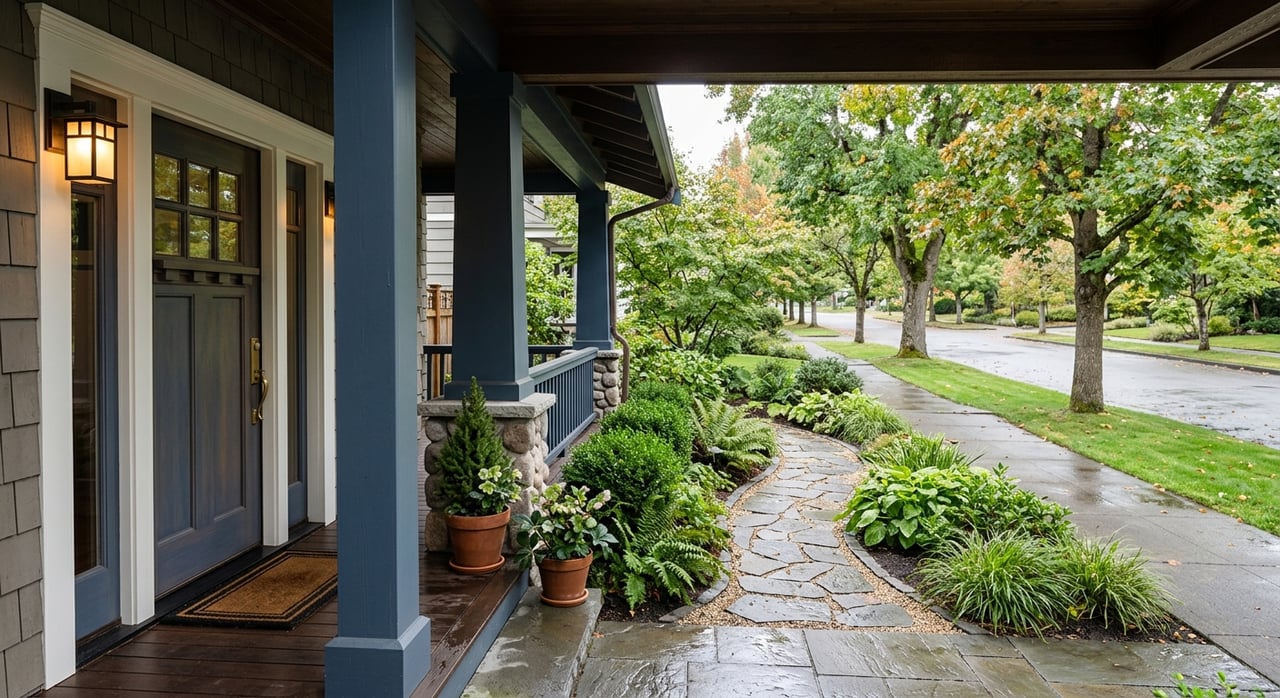
Trying to choose between Phinney Ridge and Greenwood often sounds bigger than it is. In real life, these two areas share a lot of the same daily amenities, but your block can change how the neighborhood feels from morning coffee to your evening dog walk. If you are deciding where your lifestyle fits best, this guide will help you compare walkability, parks, housing feel, and getting around so you can focus on the tradeoffs that actually matter. Let’s dive in.
One urban village, two daily rhythms
Phinney Ridge and Greenwood work less like separate worlds and more like two parts of the same Greenwood/Phinney Ridge urban village. Seattle’s planning framework emphasizes access by foot, bike, and transit along Greenwood Avenue North, Phinney Avenue North, and North 85th Street, with services generally within about a five-block or five-minute walk from surrounding homes.
That matters because your everyday experience may depend more on your exact location than on the neighborhood name in a listing. The broader district also shares a business network and walkable commercial identity across what many locals think of as PhinneyWood. In practical terms, both areas can support a lifestyle with neighborhood restaurants, cafes, and local errands close by.
Walkability and errands
If your goal is to handle daily basics without driving every time, both neighborhoods have a strong case. The shared commercial corridor includes more than 20 restaurants and cafes, along with the local storefront pattern that helps define the area’s character.
The real difference is the center of gravity. Greenwood’s heart is more closely tied to North 85th Street and Greenwood Avenue North, while Phinney Ridge commercial activity is more concentrated at intersections along Phinney and Greenwood avenues.
Greenwood feels closer to the corridor
Greenwood often makes the most sense if you want to be near the day-to-day action. The area’s core has seen more apartment redevelopment and can feel a bit more corridor-oriented, with a slightly more urban street edge.
For some buyers, that is a plus. If you like the idea of stepping out for coffee, grabbing a casual meal, or being near bus routes and storefronts, Greenwood may feel more convenient on a daily basis.
Phinney Ridge feels more tucked in
Phinney Ridge often appeals to buyers who want access to the same amenity network but with a more residential backdrop. The neighborhood’s commercial nodes are still useful, but the overall feel tends to skew more ridge-oriented and home-centered.
That can create a nice balance. You may still be a short walk from the main streets while feeling more removed from the busiest stretches.
Why a few blocks matter so much
This is one of those Seattle neighborhood comparisons where small distance changes can have a big lifestyle impact. Because the commercial spine is designed around easy access from surrounding homes, being two or three blocks closer or farther away can shift your routine more than you might expect.
A home just off the main corridor can feel quieter, greener, and more residential while still giving you the same neighborhood identity and many of the same amenities. That is why buyers comparing Phinney Ridge vs Greenwood should pay close attention to the exact block, not just the ZIP code or marketing label.
Parks and outdoor routine
Outdoor access is one of the clearest lifestyle tradeoffs between these two areas. If walks, runs, playground time, or a quick park stop are part of your weekly rhythm, this difference may carry real weight.
Phinney Ridge has stronger access to big parks
Phinney Ridge stands out for its connection to larger north Seattle park assets. Woodland Park includes trails, picnic areas, play areas, fields, a skate park, a large dog off-leash area, and the zoo. Green Lake Park adds a 2.8-mile paved inner loop, beaches, boating access, and one of the city’s busiest car-free recreation trails.
If you want your routine to include bigger outdoor destinations, Phinney Ridge usually has the edge. It is the stronger fit for buyers who picture park access as part of ordinary weekday life rather than just a weekend outing.
Greenwood offers an easy local park option
Greenwood’s standout open space is Greenwood Park. It is a full city block with a play area, sports court, game garden, P-Patch, open lawn, ADA walkways, and reservable picnic space.
That makes it useful in a different way. Greenwood may not read as the big-park side of the comparison, but it does offer a neighborhood park that is easy to use often and fits naturally into everyday routines.
Housing feel and street character
Both neighborhoods sit within a mixed urban village pattern that includes single-family, multifamily, neighborhood-commercial, and commercial areas. Seattle’s planning guidance also emphasizes housing growth that stays compatible with existing scale and character.
The result is variety. You can move a few blocks and see the feel shift quickly from quieter residential streets to busier mixed-use edges.
Phinney Ridge leans more residential
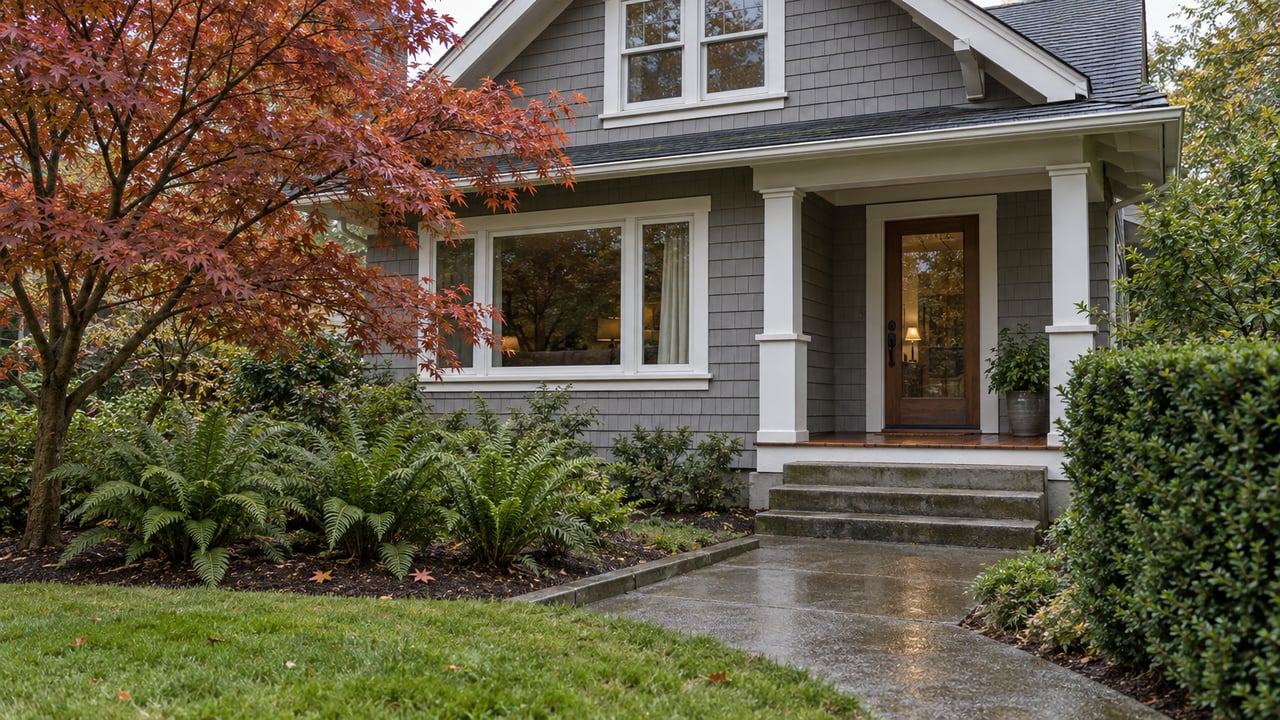
Phinney Ridge is described in Seattle’s historic context as a high ridge west of Green Lake, and that physical setting still shapes how it feels. The area often comes across as more residential, with a stronger connection to topography, views, and quieter blocks.
If you are drawn to a setting that feels a little more removed from the main corridor, Phinney Ridge may line up better with your priorities. It is often the choice for buyers who want calm at home but still value neighborhood access.
Greenwood leans more mixed-use
Greenwood’s core generally skews more mixed-use and corridor-based. Its historic center around North 85th Street and Greenwood Avenue North, along with more apartment redevelopment, helps explain why it can feel slightly more urban.
That does not mean every block feels busy. It means Greenwood is often the better fit if you want to stay closely tied to the commercial corridor and the rhythm that comes with it.
Getting around from each neighborhood
Commute and movement patterns are another area where the distinction is real but nuanced. In the combined Greenwood/Phinney Ridge area, driving alone is the most common way residents get to work, according to Seattle’s neighborhood snapshot.
At the same time, transit and non-car options are meaningful parts of everyday mobility here. King County Metro Route 5 runs along Greenwood Avenue North to downtown Seattle, Route 28 serves downtown Seattle, and Route 45 connects Greenwood with Roosevelt, Green Lake, the University District, and Seattle Children’s Hospital.
Seattle also identifies the Greenwood Neighborhood Greenway as a walking, rolling, and biking route with enhanced safety features. If you want easier access to bus stops and a more corridor-connected setup, Greenwood usually has the edge. If your priority is a more residential feel and you are comfortable being a bit farther from the center of transit activity, Phinney Ridge may feel better.
Which lifestyle fits you best?
If you are choosing between Phinney Ridge and Greenwood, the answer usually comes down to how you want your ordinary week to look. Both offer access to the same larger amenity district, but they package that access differently.
Phinney Ridge often fits buyers who want a quieter residential feel and quicker access to larger park spaces like Woodland Park and Green Lake. Greenwood often fits buyers who want to be closer to the errand corridor, bus routes, and a slightly more urban main-street environment.
The biggest takeaway is simple: do not stop at the neighborhood name. In this part of Seattle, a home’s distance from Greenwood Avenue North, Phinney Avenue North, North 85th Street, and nearby park edges may shape your everyday experience more than the label on the map.
If you want help comparing specific blocks, home types, and lifestyle tradeoffs in north Seattle, Mark Ashmun can help you evaluate the details that matter most and move forward with confidence.
FAQs
What is the main lifestyle difference between Phinney Ridge and Greenwood?
- Phinney Ridge usually feels more residential and park-oriented, while Greenwood usually feels closer to the shared commercial corridor and slightly more urban in its street edge.
Is Phinney Ridge or Greenwood better for walkability in Seattle?
- Both can be walkable, but the best answer depends on how many blocks your home is from Greenwood Avenue North, Phinney Avenue North, and North 85th Street.
Does Greenwood or Phinney Ridge have better park access?
- Phinney Ridge generally has quicker access to larger park destinations like Woodland Park and Green Lake, while Greenwood offers the smaller but useful Greenwood Park.
Is Greenwood or Phinney Ridge better for transit access?
- Greenwood usually has the advantage if you want to be closer to the main corridor and bus routes such as Metro Routes 5 and 45.
Should you choose a home by neighborhood name or by block in Phinney Ridge and Greenwood?
- In this area, block location often matters more than neighborhood name because a short distance can change noise levels, walkability, access to parks, and proximity to shops and transit.