Looking at Magnolia for a view home or a rare waterfront property? You are not just buying square footage and finishes here. In Magnolia, elevation, shoreline location, slope conditions, and insurance can shape your experience as much as the home itself. This guide will help you understand how Magnolia’s premium market works, what tradeoffs to expect, and where to focus your due diligence before you write an offer. Let’s dive in.
Magnolia’s premium homes are not all the same
Magnolia stands apart because of its geography. It is a peninsula neighborhood with bluff and ridge areas overlooking Puget Sound and Elliott Bay, along with lower-lying edges near Interbay, Salmon Bay, and the Ship Canal. That topography creates very different buying experiences depending on where a home sits.
For buyers, that means Magnolia’s premium market is not one uniform stretch of luxury housing. Instead, you will usually see three broad categories: bluff or ridge view homes, lower-elevation homes closer to the water, and a very limited number of true waterfront properties. Each comes with its own pricing logic, maintenance needs, and permitting considerations.
What Magnolia view inventory looks like
Recent market snapshots show a wide spread in asking prices for Magnolia view homes. Detached view homes were listed from roughly $1.23 million to $4.75 million, while some condo-style inventory appeared at lower price points. Waterfront supply looked especially tight, with only one active waterfront home shown in a recent Magnolia search snapshot.
That scarcity matters. If you are targeting direct water frontage, you may need to wait longer for the right opportunity and be ready to move when one appears. If your goal is a strong water or city view without direct shoreline ownership, you may have more options and more flexibility on layout, style, and lot position.
Bluff homes versus shoreline homes
Many Magnolia buyers start with a broad goal like “I want water views,” then refine their search once they understand the difference between bluff homes and shoreline homes. Those two property types can feel similar in photos, but they often function very differently in real life.
Bluff homes often trade on elevation
Bluff and ridge homes usually emphasize height, outlook, and privacy. Magnolia Boulevard and nearby ridge locations often offer panoramic views, and many homes are positioned to capture Elliott Bay, Puget Sound, or city skyline sightlines.
The housing stock in these areas is often older detached housing rather than new production construction. Listing examples include homes from 1940, 1956, 1960, and 1967 on lots around 5,800 to 9,200 square feet. Features commonly seen include large windows, view decks, garages, and lower-level living space.
Shoreline homes focus more on access
Shoreline homes bring you closer to the water and, in some cases, offer direct frontage. One recent example was a 1929 waterfront property on W Ruffner Street with 1.16 acres, stairs to 57 feet of waterfront, and one tide lot.
That kind of setting can be special, but it often comes with more layers of review. Water access, shoreline improvements, and tide-lot details can all affect how you use the property over time. If you are comparing a bluff home with sweeping views to a shoreline home with direct access, you are really comparing two different ownership experiences.
Lot size and home style expectations
If you are moving from a suburban search into Magnolia, it helps to reset expectations. Premium Magnolia homes are often on city-sized lots, not large estate parcels. Even high-end view homes may sit on lots just under 6,000 square feet, with value tied more to orientation, outlook, and site position than to raw land size.
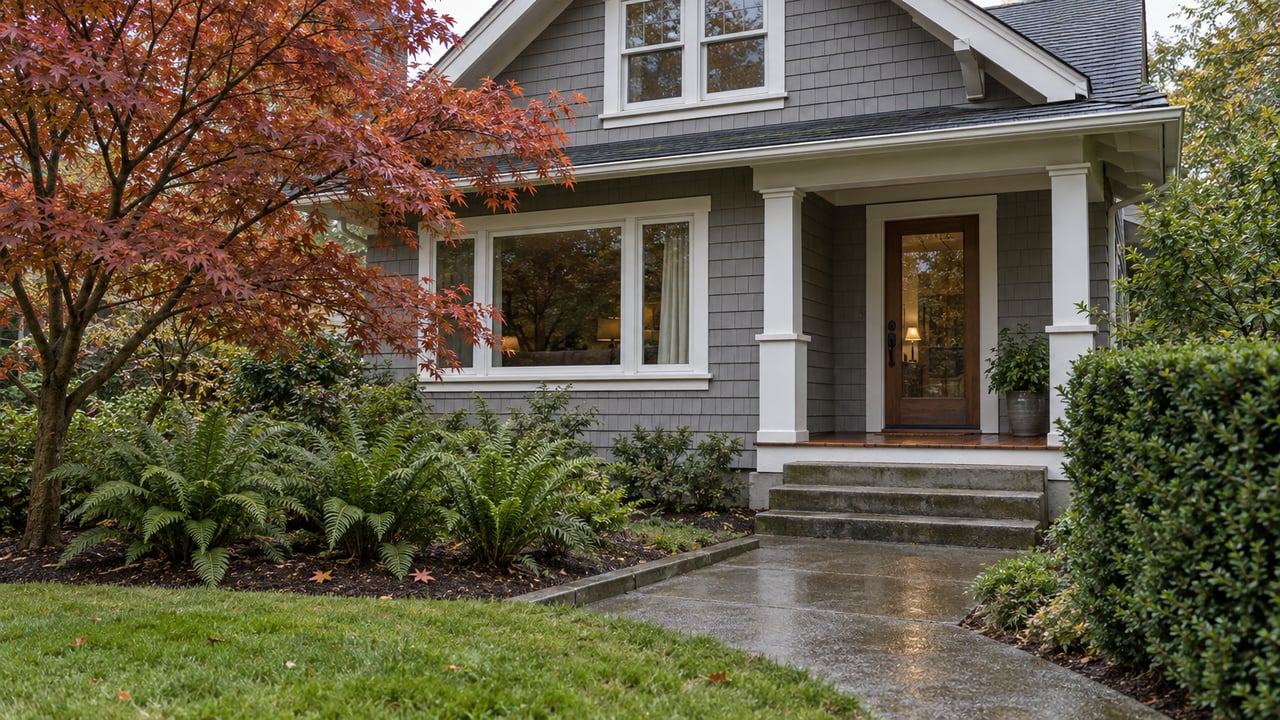
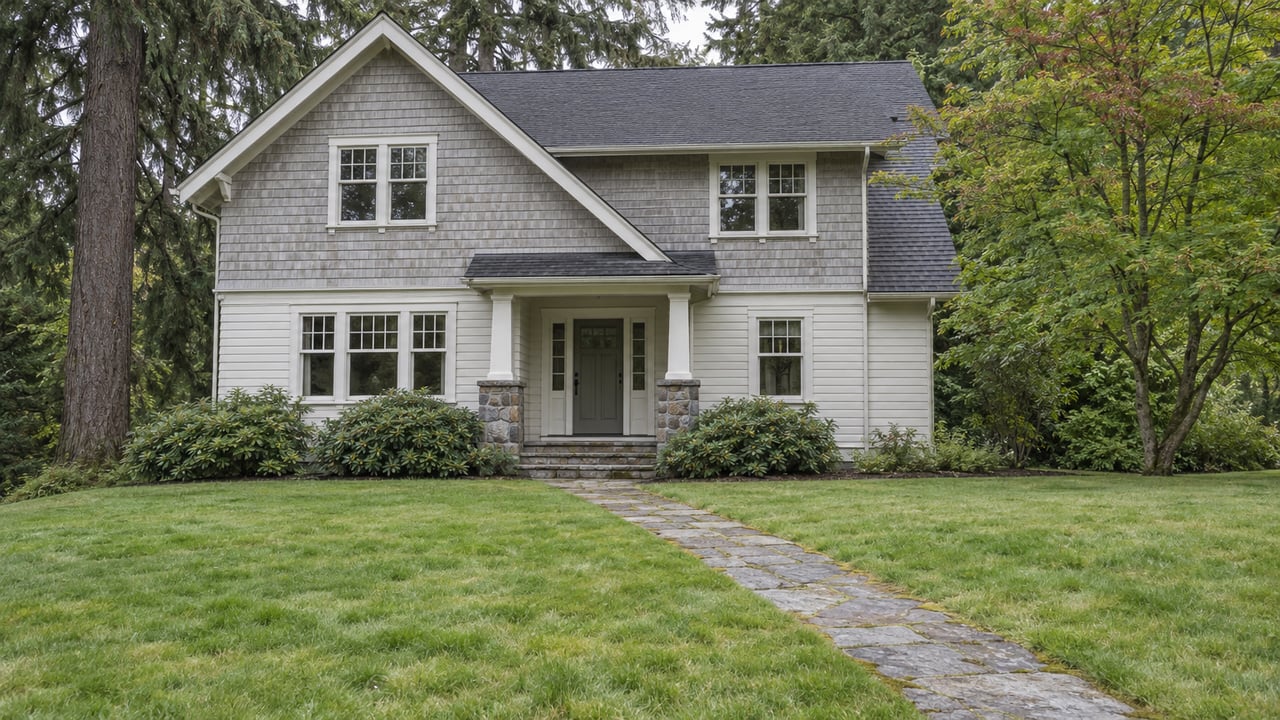
You should also expect a mix of remodeled and older homes. In many cases, the appeal is the location first, then the home’s condition, layout, and upgrade history. A beautifully updated mid-century or Cape Cod with the right view corridor may compete strongly against a larger but less well-positioned property.
Why due diligence matters more here
Magnolia’s scenery is a major draw, but its topography creates extra homework for buyers. If you are considering a bluff or shoreline-adjacent property, due diligence is not a box to check at the end. It should be part of your strategy from day one.
Check slope and landslide risk early
Seattle says steep topography and wet winters make landslides a recurring issue, and 8.4% of the city’s surface is mapped as slide-prone. The city also notes that landslides occur frequently, especially in winter and early spring.
For bluff properties, that means you should think beyond the view. Seattle advises buyers to check the city GIS map if a property may be at risk and to contact a geotechnical engineering professional for evaluation when needed. If a report is required, the city says it should be specific to the site and project.
Understand retaining walls and site work
On sloped parcels, retaining walls, drainage systems, and engineered yard features can be a big part of the property story. Seattle notes that retaining walls and rockeries in landslide-prone areas are not eligible for the city’s small-project waiver.
That is an important detail if you are buying a home with terraces, stepped landscaping, or visible slope improvements. Past work, future maintenance, and any planned changes may involve more review than many buyers expect.
Know when shoreline rules apply
For waterfront and shoreline-adjacent homes, Seattle’s Shoreline Master Program is a major factor. The city says the shoreline district includes certain water bodies and all land within 200 feet of those water bodies. Projects in the shoreline district generally need a shoreline substantial development permit or an exemption.
If a property also includes steep slopes or other environmentally critical areas, Seattle says a shoreline variance may also be needed. The city’s environmentally critical areas review can require a topographic survey, geotechnical report, or other site-specific documentation.
Insurance should be part of your buying timeline
Insurance is easy to underestimate when you fall in love with a Magnolia view. In this part of Seattle, it deserves early attention, especially for bluff or waterfront properties.
The Washington Office of the Insurance Commissioner says standard homeowner insurance usually does not cover damage from land movement or landslides caused by rain, melting snow, flooding, or earthquakes. It also says structure coverage can be purchased through a difference-in-conditions policy, which may include landslides, mudflows, earthquakes, and floods.
Flood coverage is also separate from standard homeowners coverage, and flood policies typically take 30 days to become effective. The practical takeaway is simple: if you are serious about a Magnolia bluff or waterfront home, get insurance quotes early enough to fit your contingency timeline.
Magnolia pricing and competition
Magnolia is a premium Seattle market, but it is not the highest-priced view market in the city. In a recent March 2026 snapshot, Magnolia’s median sale price was $1.19 million. That was above Seattle overall at $865,000 and above Queen Anne at $1.05 million, but below Madison Park at $2.475 million and Laurelhurst at $2.675 million.
Market speed is important here too. Magnolia homes were going pending in about 8 days, with a sale-to-list ratio of 100.6%. Redfin also characterized Magnolia as very competitive, with many homes receiving multiple offers and some offers waiving contingencies.
What that means for your offer strategy
Even in a competitive market, not every Magnolia property behaves the same way. Recent closed sales showed different outcomes, including one home selling 2% under list after 35 days, another selling 5% over list after 21 days, and a waterfront-adjacent home on W Commodore Way selling 7% under list after 58 days.
That variation is a reminder that view quality, condition, and site complexity matter. A well-located home with strong views and clean due diligence may draw aggressive interest. A property with deferred maintenance, limited view protection, or shoreline and slope questions may offer more room to negotiate.
How to buy smarter in Magnolia
If you want to compete without taking on avoidable risk, it helps to stay disciplined. In Magnolia, the strongest buying strategy usually blends speed with careful review.
Here are a few buyer essentials to keep in mind:
- Define whether you want views, water access, or true waterfront before you start touring
- Ask early about slope conditions, drainage, retaining walls, and past site work on bluff properties
- Confirm whether the property may fall within Seattle’s shoreline district or environmentally critical areas review
- Review permit history carefully when a home has had major exterior or site changes
- Get insurance quotes early, especially if you are considering bluff, shoreline, or flood-sensitive locations
- Weigh layout, orientation, and sightlines as heavily as square footage or finish level
- Be ready to act quickly on well-priced properties, but do not skip site-specific due diligence
The Magnolia opportunity
Magnolia offers something many Seattle buyers want but cannot easily find in one place: dramatic topography, a village-like neighborhood feel, and a range of homes that can deliver city, bay, and Sound views. That combination is part of what keeps demand strong.
The key is knowing that a premium Magnolia purchase is often more location-sensitive than it first appears. When you understand the difference between bluff living and shoreline living, and when you build the right diligence plan around slope, regulation, and insurance, you can make a more confident decision.
If you are thinking about buying in Magnolia and want calm, data-backed guidance on property selection, due diligence, and negotiation strategy, Mark Ashmun can help you navigate the process with the kind of local insight these homes demand.
FAQs
What makes Magnolia view homes different from Magnolia waterfront homes?
- Magnolia view homes are often positioned on bluffs or ridges for elevated outlooks, while Magnolia waterfront homes are much rarer and typically involve direct shoreline location, water access questions, and more shoreline regulation.
How competitive is the Magnolia real estate market for buyers?
- In a recent market snapshot, Magnolia had a median sale price of $1.19 million, homes were going pending in about 8 days, and the sale-to-list ratio was 100.6%, which points to a competitive market.
What should buyers check before buying a bluff home in Magnolia?
- Buyers should review slope and landslide risk, drainage, retaining walls, site engineering, and whether a geotechnical review may be appropriate for the specific property.
Do Magnolia waterfront homes have special permit rules?
- Yes. Seattle says shoreline-adjacent projects within the shoreline district generally need a shoreline substantial development permit or an exemption, and some properties may also require additional review for environmentally critical areas.
Does standard homeowners insurance cover landslides or flooding in Magnolia?
- Usually not. The Washington Office of the Insurance Commissioner says standard homeowners insurance usually does not cover land movement or landslides caused by rain, melting snow, flooding, or earthquakes, and flood coverage is typically separate.
Are Magnolia luxury homes always on large lots?
- No. Many premium Magnolia homes are on city-sized lots, with value driven by view orientation, location, and site position rather than large parcel size alone.