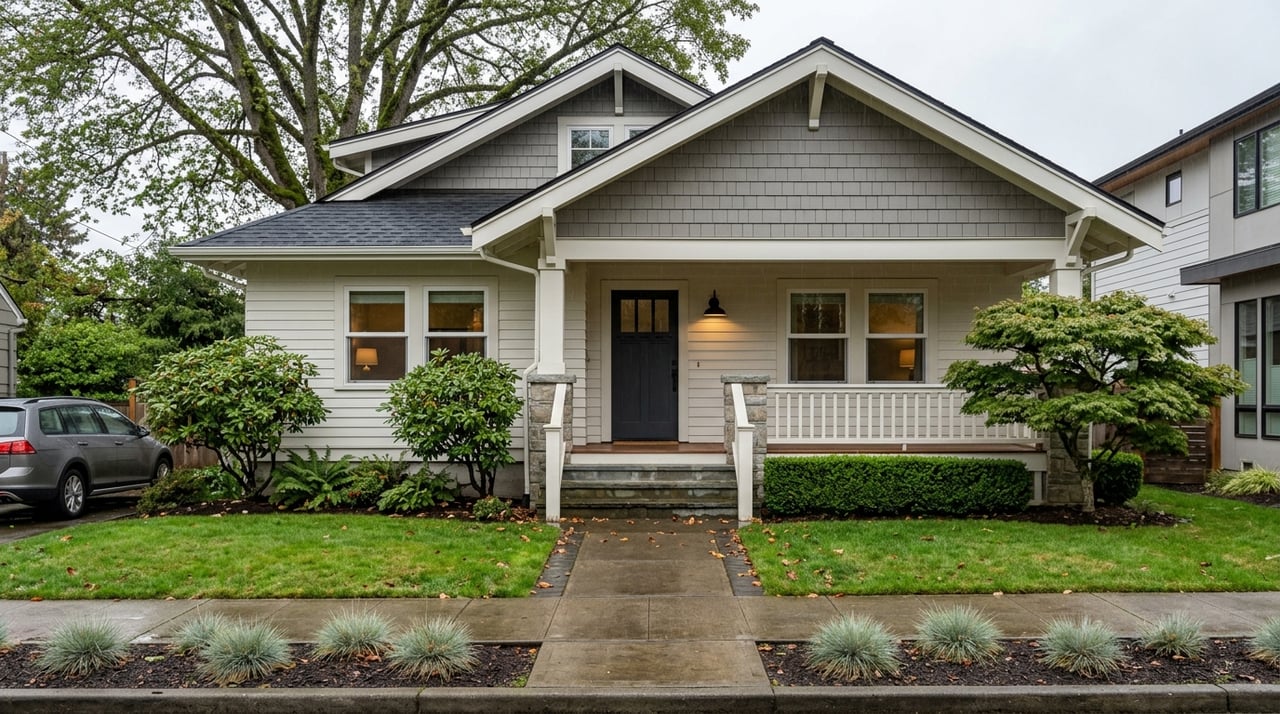
Trying to choose between Wallingford, Fremont, and Green Lake? You are not alone. These three north Seattle neighborhoods are close together on a map, but they offer very different day-to-day experiences depending on how you live, commute, and spend your free time. This guide will help you compare price, housing style, walkability, transit, and overall feel so you can narrow your search with more confidence. Let’s dive in.
Start With the Big Picture
All three neighborhoods are highly walkable by Seattle standards, very bikeable, and active real estate markets. Recent March 2026 sold data shows median sale prices of $999,950 in Wallingford, $825,000 in Fremont, and $940,000 in Green Lake. Price per square foot is also fairly close, at $636 in Wallingford, $625 in Fremont, and $632 in Green Lake.
That means your decision may come down less to broad affordability and more to lifestyle fit. Each neighborhood has strong access to shops, restaurants, and daily conveniences, but the rhythm of daily life feels different in each one.
Compare Wallingford, Fremont, and Green Lake
| Neighborhood | Median Sale Price | Median $/Sq Ft | Walk Score | Transit Score | Bike Score | Restaurants, Bars, Coffee Shops |
|---|---|---|---|---|---|---|
| Wallingford | $999,950 | $636 | 85 | 64 | 86 | 178 |
| Fremont | $825,000 | $625 | 90 | 61 | 80 | 150 |
| Green Lake | $940,000 | $632 | 84 | 60 | 88 | 87 |
If you want the most walkable option, Fremont leads the group. If you want the lowest recent median sold price, Fremont also comes out ahead. If you want a neighborhood shaped more by the park and surrounding residential streets, Green Lake stands apart.
Wallingford: Balanced and Convenient
Wallingford at a glance
Wallingford tends to appeal to buyers who want a classic Seattle neighborhood feel with strong walkability and central-north Seattle convenience. The neighborhood developed rapidly from 1900 to 1920, and much of its built character still reflects pre-World War II scale, including bungalows and other older single-family homes, along with some multifamily and institutional buildings.
That older housing pattern gives Wallingford a more established residential feel than a purely mixed-use district. At the same time, it still offers a strong commercial presence, with about 178 restaurants, bars, and coffee shops in the broader neighborhood data.
Why buyers often start with Wallingford
Wallingford sits in a useful middle ground. It is highly walkable, has a strong dining and retail mix, and can offer practical access to the U District Station area and the 1-Line depending on the exact location. One Wallingford location is about an eight-minute walk to U District Station, which helps explain why Wallingford often has the clearest north Seattle transit story of the three.
If your top priorities include commute convenience, neighborhood charm, and a strong everyday amenity base, Wallingford deserves an early look. It often works well for buyers who want lively surroundings without stepping into Fremont’s more event-driven energy.
Fremont: The Most Urban Energy
Fremont at a glance
Fremont is the most active and mixed-use of the three neighborhoods. Its neighborhood plan describes zoning that includes mixed-use, commercial, industrial, multifamily, and single-family areas, which creates a more varied urban fabric than Wallingford or Green Lake.
That variety shows up in daily life. Fremont has the highest Walk Score at 90, around 150 restaurants, bars, and coffee shops, and well-known local events such as First Friday art walks and the annual Fremont Fair at Fremont Canal Park, which draws more than 100,000 participants.
Why buyers choose Fremont
If you want a neighborhood that feels social, active, and close to the action, Fremont is often the best fit. You may find more urban variety here, along with a stronger mix of housing types and a more pronounced commercial core.
Fremont also has the lowest recent median sale price of the three at $825,000, which can make it an appealing starting point for buyers comparing nearby north Seattle options. For commute planning, Fremont depends more on bus and bike access than direct rail proximity, though it still sits within reach of the 1-Line.
Green Lake: Park-Centered Living
Green Lake at a glance
Green Lake is the most outdoor-oriented of the three neighborhoods. Green Lake Park anchors the area with a 2.8-mile loop, beaches, and water access, and the park draws thousands of people daily.
The neighborhood’s design guidelines describe an urban area made up primarily of single-family homes built in the early 1900s, with a strong older-house character and smaller commercial areas. In practical terms, Green Lake often feels more residential and park-centered than retail-centered.
Why buyers are drawn to Green Lake
If your ideal routine includes morning walks, runs, stroller loops, or easy access to open space, Green Lake stands out quickly. It offers a lifestyle that feels organized around the park first, with commercial activity present but more concentrated than broad.
Transit is still part of the picture, especially as you move toward Roosevelt. One Green Lake location is about a 20-minute walk to Roosevelt Station, but overall the neighborhood tends to read more as outdoor-first than rail-first.
Which Neighborhood Feels Most Residential?
For buyers who want a quieter residential setting, Green Lake usually reads as the most residential, followed by Wallingford. That conclusion comes from the neighborhood profiles: Green Lake is anchored by the park and older single-family housing, Wallingford has a strong pre-war residential character, and Fremont has the most mixed-use intensity.
This does not mean one neighborhood is objectively better than another. It simply means your best fit depends on whether you want your daily life to center more on a park, a balanced residential-commercial mix, or a denser urban scene.
How Housing Style Differs
Wallingford and Green Lake
If you are drawn to classic Seattle housing stock, both Wallingford and Green Lake deserve close attention. Each neighborhood is known for older homes and a more established residential pattern, especially homes dating to the early 1900s.
That can be a strong match if you value mature streetscapes, older architectural character, and a neighborhood feel shaped by long-standing residential blocks.
Fremont
Fremont offers more variety in its housing environment. Because of its broader zoning mix and mixed-use framework, it tends to suit buyers who are comfortable with infill, multifamily buildings, and a more urban patchwork of uses.
If you want a neighborhood with more visual variety and a stronger sense of city activity, Fremont may feel like the most natural fit.
What About Schools?
School access in Seattle should always be checked by exact address. Seattle Public Schools assigns students by address, so it is important not to assume attendance based on a neighborhood name alone.
Green Lake has a neighborhood attendance-area elementary school at 2400 N 65th St, and Fremont has B.F. Day Elementary at 3921 Linden Ave N. In Wallingford, it is better to rely on the district lookup tool for the specific property you are considering rather than assume one obvious attendance-area school.
A Simple Way to Decide
If you are torn between these three neighborhoods, start by ranking your priorities. In my experience, buyers get clarity faster when they focus on how they want an ordinary Tuesday to feel, not just what they want on paper.
Here is a practical framework:
- Start with Wallingford if commute convenience and central-north Seattle access matter most.
- Start with Green Lake if outdoor access and a park-based daily routine matter most.
- Start with Fremont if dining, arts, and a livelier urban feel matter most.
- Start with Wallingford or Green Lake if you want classic Seattle housing stock with strong walkability but not the busiest nightlife.
Final Thoughts
Wallingford, Fremont, and Green Lake are all strong options, but they solve for different versions of Seattle living. Wallingford offers balance and convenience, Fremont brings the most urban energy, and Green Lake delivers the clearest park-centered lifestyle.
The right choice is usually the one that best fits your routine, commute, housing preferences, and budget. If you want help comparing specific blocks, home types, or current opportunities in these neighborhoods, Mark Ashmun can help you narrow the field and move with confidence.
FAQs
Which Seattle neighborhood is most walkable: Wallingford, Fremont, or Green Lake?
- Fremont has the highest Walk Score at 90, compared with 85 for Wallingford and 84 for Green Lake.
Which neighborhood is usually the least expensive based on recent sold data?
- Fremont had the lowest recent median sale price in March 2026 at $825,000, compared with $999,950 in Wallingford and $940,000 in Green Lake.
Which neighborhood feels most residential and quiet?
- Green Lake generally feels the most residential and park-centered, with Wallingford close behind, while Fremont has the most mixed-use and urban energy.
Which neighborhood is best for a north Seattle commute?
- Wallingford often has the strongest transit story because of its proximity to the U District Station area and the 1-Line, depending on the exact address.
Which neighborhood is best for outdoor access in north Seattle?
- Green Lake stands out for outdoor access because Green Lake Park anchors the neighborhood with a 2.8-mile loop, beaches, and water access.
How should buyers check school access in Wallingford, Fremont, or Green Lake?
- Buyers should verify school assignment by exact property address through Seattle Public Schools, since assignments are based on address rather than neighborhood name alone.