Dreaming of a home where tasting rooms, wooded streets, and larger lots can all be part of daily life? Buying in Woodinville Wine Country can be exciting, but it also comes with details that matter, from price ranges and commute patterns to septic, wells, and permitting. If you want a clearer picture of what it’s really like to buy here, this guide will help you focus on the factors that can shape both your lifestyle and your purchase strategy. Let’s dive in.
Why buyers look at Woodinville
Woodinville offers something that feels different from many other Seattle-area markets. It sits about 15 miles northeast of Seattle and has a smaller-city feel, with about 13,942 residents according to the U.S. Census Bureau. At the same time, it is widely known for Woodinville Wine Country, with the city and local tourism sources noting more than 100 wineries, cideries, and distilleries within city limits or in the Sammamish River Valley.
That wine-country identity is not just a marketing label. The city’s Comprehensive Plan emphasizes preserving Woodinville’s Northwest woodland character, and local land-use planning includes tourism-oriented uses like wineries, restaurants, and lodging. For you as a buyer, that can translate into a setting that feels intentional, with a mix of wooded residential areas, in-town housing, and destination amenities.
Woodinville is not one-size-fits-all
One of the biggest mistakes buyers make is assuming all of Woodinville feels the same. It does not. Some areas lean more urban and mixed-use, while others feel more spacious, wooded, and estate-like.
According to the city’s Economic Development Plan, Woodin Creek Village is described as Woodinville’s newest urban neighborhood. The same report highlights projects like The Harvest in the Hollywood District and Eastrail Flats, which adds apartments and townhomes in a higher-density setting. If you want lower-maintenance living or something closer to in-town services, these kinds of areas may be worth a closer look.
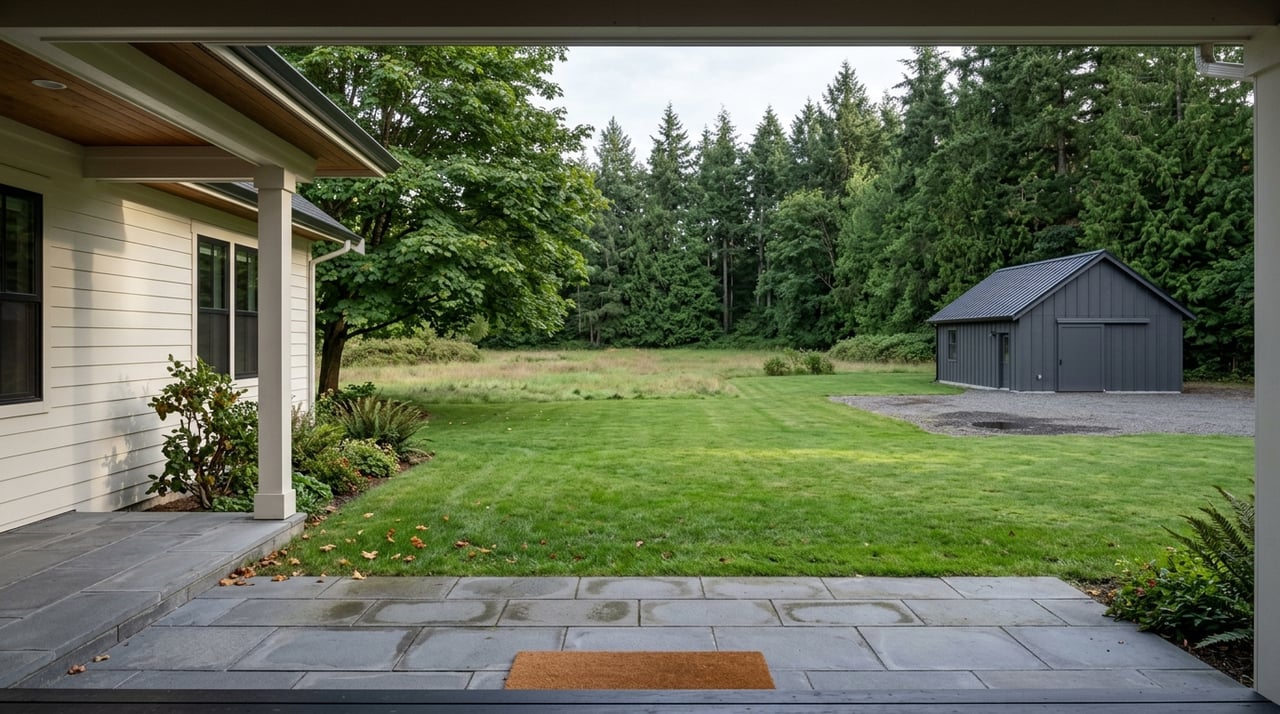
Other parts of Woodinville offer a very different experience. Resident planning materials reference places like Hollywood Hill, Lake Leota, and Cottage Lake, which many buyers associate with more land, mature trees, and a quieter residential setting. If your goal is extra outdoor space, privacy, or room for hobbies and gardens, the neighborhood pattern matters as much as the city name.
Lot sizes can vary quite a bit
Woodinville’s zoning helps explain why homes here can feel so different from one another. The city’s residential zoning standards allow for a range of minimum lot sizes, from 35,000 square feet in R-1 to 5,000 square feet in R-8, according to the city’s zoning ordinance. That is a wide spread.
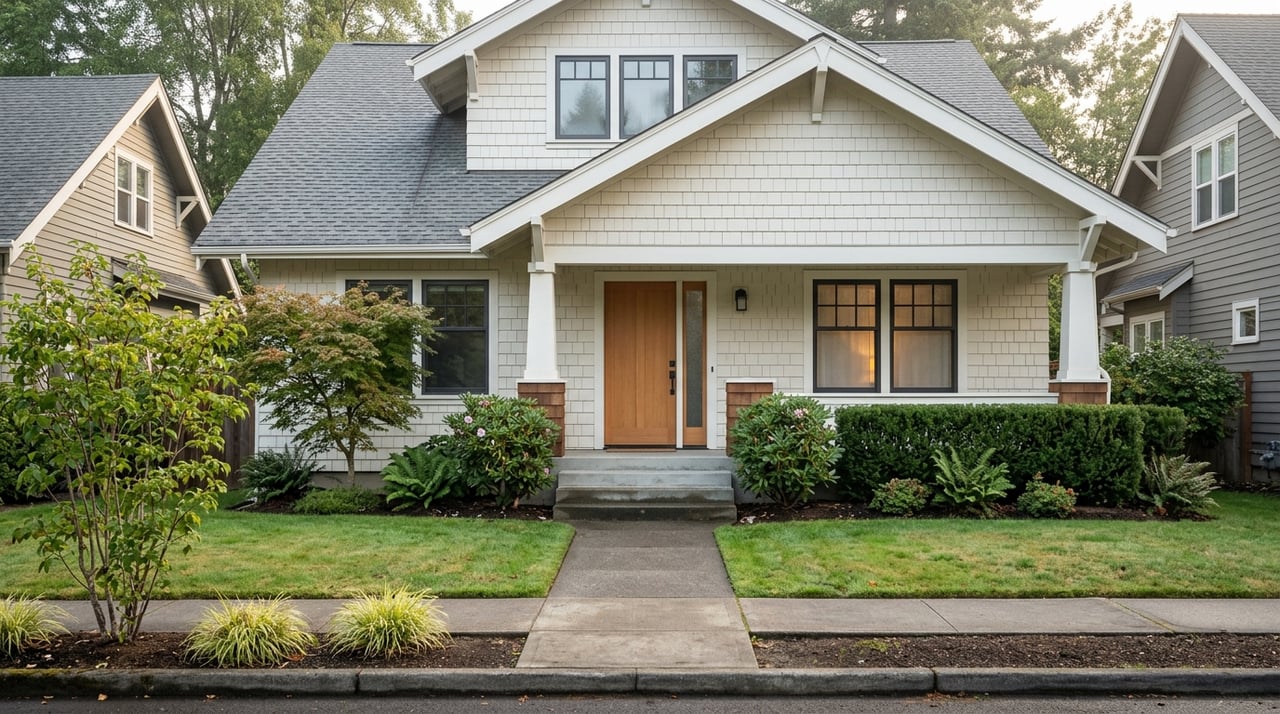
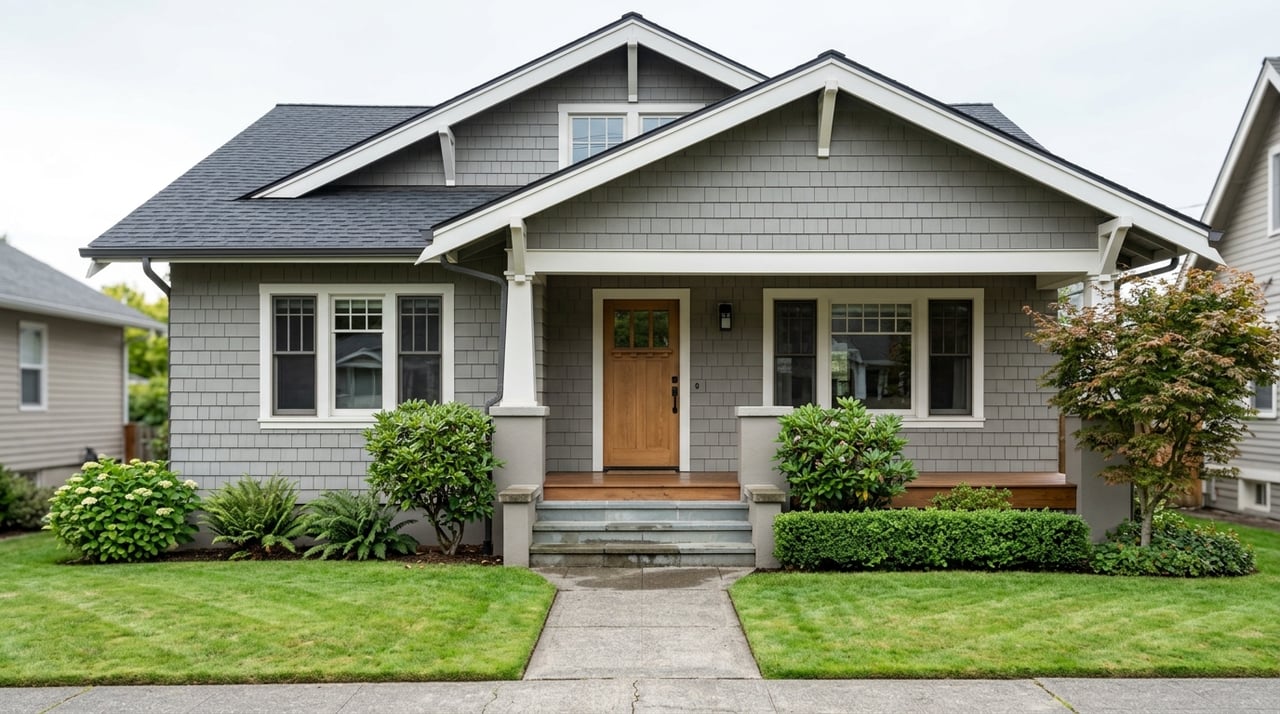
In practical terms, you may find compact in-town homes, townhomes, and mixed-use residential options in some areas, while other properties sit on much larger parcels. If you are shopping specifically for a wine-country feel, it helps to look beyond listing photos and study the parcel, zoning, access, and utility setup early in the process.
What it costs to buy in Woodinville
Woodinville is generally a high-price market, but prices can vary meaningfully by location and housing type. Redfin’s Woodinville housing market data reports a February 2026 median sale price of $1.632 million, while Realtor.com reports a median list price of $1.4875 million, along with 109 homes for sale and a median of 76 days on market.
Those numbers are not identical, and that is normal because each platform uses its own methodology. Still, both point to the same broad reality: Woodinville remains a competitive market where many buyers are shopping in premium price ranges and inventory is still relatively constrained.
It is also important not to overread one citywide number. Realtor.com’s neighborhood-level data shows a broad range, from about $394,975 in Town Center to about $2.395 million in the Tourist District. That spread is a good reminder that Woodinville includes both more accessible in-town options and luxury-level wine-country properties.
Who Woodinville tends to fit best
Woodinville often appeals to buyers who want more space without feeling too far removed from the region’s job centers. The Census Bureau reports a mean travel time to work of 25.5 minutes, and broadband subscription rates are high at 95.2%, which can support hybrid and remote work.
That said, commute expectations matter. Woodinville is not a rail-first suburb, and WSDOT corridor reporting cited in the research points to heavy traffic around the I-405/SR 522 interchange, especially during the morning commute. If you need a highly frequent, all-day transit setup to downtown Seattle or Bellevue, you will want to evaluate daily logistics carefully.
Transit does exist, but it is more limited and corridor-based. King County Metro Route 256 provides peak-only service on a Woodinville to Seattle corridor, and Sound Transit Route 522 links Woodinville to Roosevelt Station, according to King County Metro service information. For some buyers, that works well enough. For others, driving will still be the main transportation plan.
Utilities can change the buying process
In Woodinville, utility questions are not just background details. They can directly affect due diligence, timelines, and future costs. That is especially true if you are considering a property with a septic system, a private well, or plans for future improvements.
The city explains on its water and sewer permit page that Woodinville Water District provides water within the city and that only a portion of the city receives sewer service. The city also notes that if sanitary sewers are not available, an on-site septic system may be required and approved by Seattle & King County Public Health. In general, denser western areas are more likely to be sewered, while many eastern residential properties rely on onsite sewage systems.
For you, that means utility verification should happen early, not late. A home can look ideal on paper but come with a very different maintenance profile depending on whether it is connected to sewer or relies on septic.
Septic homes need extra attention
If you are buying a home with septic, plan for more than a standard home inspection. King County requires septic properties to be inspected by a certified on-site system maintainer before title transfer, and buyers must also complete the county’s maintenance-fee steps, according to King County’s sales and transfer requirements.
Woodinville’s septic guidance also recommends licensed inspections every 1 to 3 years and tank pumping every 3 to 5 years. That makes septic a lifestyle and budgeting consideration, not just a one-time closing item. If you are comparing homes, it is smart to ask early about system age, maintenance records, inspection timing, and whether any repairs have been recommended.
Well properties need careful review
Private wells deserve the same level of attention. King County Public Health says private wells may require review for site location, water quality, and water quantity, and county guidance notes that approvals can involve testing for bacteria, nitrate, and arsenic, along with added documentation. You can see that in the county’s well information guidance.
In simple terms, a well property should be reviewed like a utility system, not just a house. If you are considering acreage or a more private setting, well documentation, testing, and service history can be just as important as the roof or foundation.
Permits matter for future plans
Many buyers are drawn to Woodinville because they want room to expand their lifestyle. Maybe you want to add outdoor living space, regrade part of a lot, improve drainage, or make other site changes after closing. In Woodinville, those plans may require more review than buyers expect.
The city states that a site development permit is required for most land-disturbing activity, and applications may need a drainage report, erosion-control plan, tree-protection plan, and sometimes a construction-mitigation plan. In a city that prioritizes wooded character and hillside protection, those requirements are a meaningful part of planning ahead.
A smart buying strategy for Woodinville
Because Woodinville has a wide mix of housing types, utility setups, and price points, a good buying strategy here should go beyond the usual checklist. You are not only evaluating bedrooms, finishes, and square footage. You are also weighing location within the city, commuting patterns, utility infrastructure, lot use, and future flexibility.
A practical approach often includes these steps:
- Define whether you want in-town convenience, a larger lot, or a balance of both
- Review city location and parcel details, not just the Woodinville mailing address
- Verify sewer, septic, water, or well status early
- Budget for septic or well testing when applicable
- Look closely at days on market and pricing by subarea, not only citywide averages
- Ask whether your future plans could trigger site-development permitting
When you buy with a clear strategy, you are less likely to be surprised by the hidden differences between one Woodinville property and another.
Why local guidance helps here
Woodinville can be a rewarding place to buy, especially if you want a blend of wine-country character, regional access, and housing options that range from newer in-town homes to larger residential parcels. But it is also a market where details matter. Utility setups, lot characteristics, and neighborhood context can all shape the real cost and fit of a home.
That is where experienced, detail-oriented representation can make a difference. If you are considering buying in Woodinville Wine Country and want guidance grounded in market data, due diligence, and thoughtful negotiation, connect with Mark Ashmun for a personalized strategy.
FAQs
What is Woodinville Wine Country known for?
- Woodinville Wine Country is known for having more than 100 wineries, cideries, and distilleries within the city or Sammamish River Valley area, along with a setting that blends tourism amenities and residential neighborhoods.
Are home prices in Woodinville high?
- Yes. Current market snapshots in the research place Woodinville in a higher price tier, with citywide median sale or list prices ranging roughly from the high $1.4 millions to the low $1.6 millions, depending on the source.
Do all Woodinville homes have large lots?
- No. Woodinville includes both compact in-town housing and larger low-density parcels, with zoning that allows for a wide range of lot sizes.
Do Woodinville homes use septic systems?
- Some do. The city states that many eastern residential properties rely on onsite sewage systems, while denser western areas are more commonly served by sewer.
What should buyers know about private wells in Woodinville?
- Buyers should know that private wells may require review for water quality, quantity, and location, and testing can include bacteria, nitrate, and arsenic depending on the property.
Is Woodinville a good fit for commuting to Seattle?
- It can be for some buyers, especially hybrid or remote workers, but daily driving is often part of the routine and some corridors experience heavy congestion during commute hours.