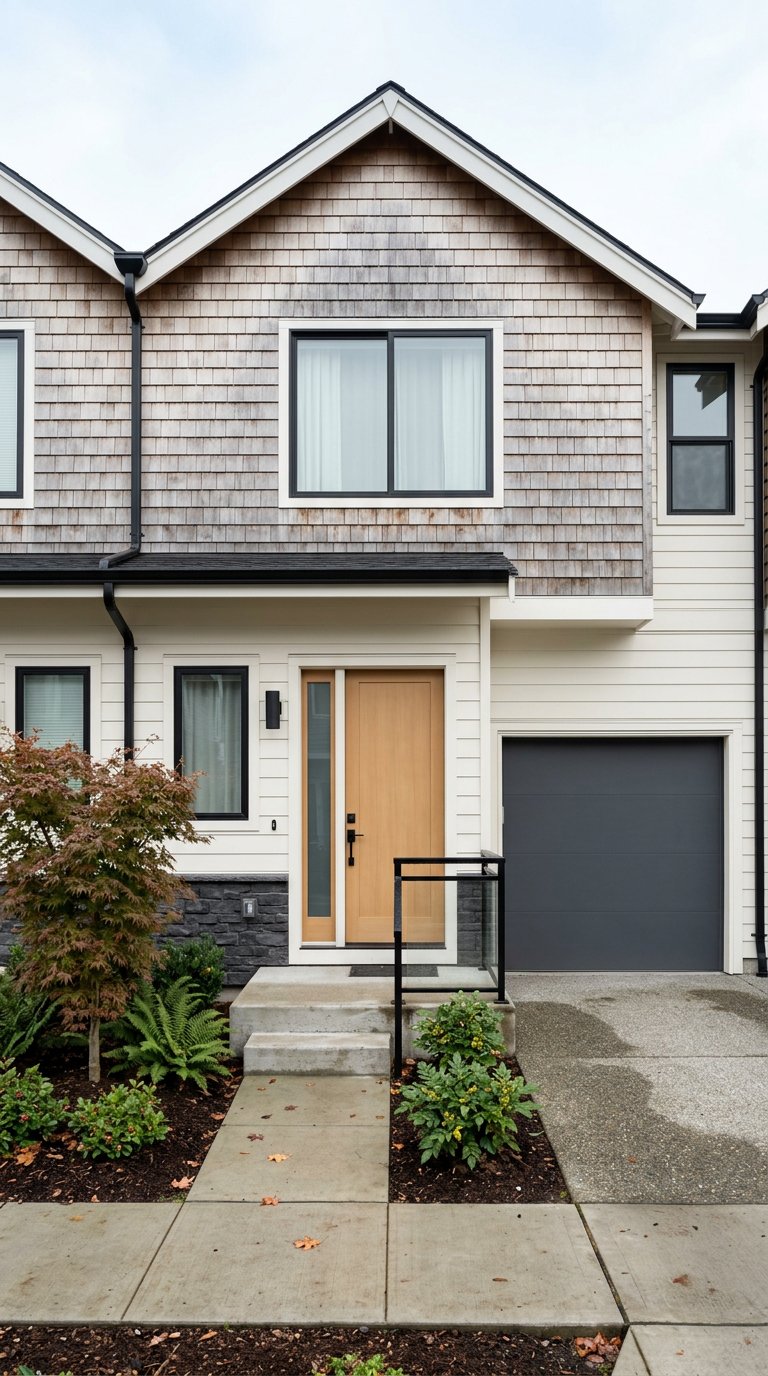
Trying to buy a Phinney Ridge townhome between meetings and kid drop-offs? You’re not alone. Many Seattle buyers want the neighborhood vibe, outdoor access, and low-maintenance living without spending every weekend touring. You can get there faster with a focused plan. In this guide, you’ll see current price context, quick screening steps, HOA must-knows, and exactly what to check on a short tour. Let’s dive in.
Prices and what to expect now
Resale townhomes in Phinney Ridge have recently sold in the roughly 775,000 to 1.04 million range, with premium new-builds or larger view units sometimes above that. The broader neighborhood median for all home types has hovered around 1.0 million in early 2026. Use these ranges to set expectations, then refine with unit-level comps by block and condition.
What this means for you:
- You’ll likely see 2 to 3 bedroom, 2 to 3.5 bath homes within budget bands that vary by age, size, parking, and finishes.
- Renovated or newer units with rooftop decks, EV-ready garages, and high-efficiency systems tend to command a premium.
- Older 1990s to 2000s builds may price lower but can need envelope or system updates over time.
Townhome types you’ll see
Layouts and size
Most resale townhomes here are about 1,100 to 1,900 square feet over 2 to 3 levels. Many include a rooftop deck or small patio. If you want fewer stairs or plan for long-term accessibility, target listings with a main-floor bedroom or a lower-level suite. Otherwise, primary bedrooms on the top or middle level are common.
Construction eras and quality
You’ll find a mix of:
- 1990s to 2000s infill that may trade at a discount and sometimes needs exterior or system updates over time.
- 2010s to 2020s boutique builds that often market mini-split HVAC, EV-readiness, better envelopes, and vaulted ceilings.
Review listing photos for cladding details, roof condition, and window systems. If you see repeated patchwork or fresh trim in multiple areas, plan a deeper envelope review during inspection.
Parking realities
Typical setups include a deeded single or tandem garage, a two-car attached garage in some cases, or an assigned off-street stall. Small HOAs often lack guest parking. Street parking rules can shift by block under Seattle’s Residential Parking Zone program, so double-check signage and review the city’s RPZ guidance to confirm whether permits or guest passes apply. You can review permit details on the city’s site under RPZ permits and applications.
HOA and money basics
Common HOA structures
- Small fee-simple or micro-HOAs with limited services. Dues are often low when they cover only landscaping or trash.
- Full HOA or condominium-style townhomes. Dues can run into the mid-hundreds and higher depending on exterior coverage, insurance, reserves, and shared systems.
Always confirm what dues include and compare them to actual services and reserve funding. A higher fee can be fair when it covers exterior maintenance and strong reserves. A high fee with light services can be a red flag.
Documents to request early
If you are a time-pressed buyer, get the paperwork before you get serious on a unit. Ask your agent to request, at minimum:
- Last 12 to 24 months of board minutes and the current budget
- Latest financials and reserve study or reserve balance
- CC&Rs or declaration, bylaws, and the insurance declarations page
- Any engineer or repair scopes and details on active or pending special assessments
- Litigation disclosures and a delinquency report if available
Industry guidance recommends requesting a resale-review packet early for any unit in an HOA. You can see what lenders and reviewers look for in a project on this overview of condo project reviews.
2026 disclosure updates
Washington has adopted updates to common-interest community rules that expand resale-certificate and disclosure requirements for many associations. Effective dates and scope vary by community type, and recent changes apply more broadly as of 2026 in many cases. Confirm the timing and what your HOA must provide when you request documents. A helpful explainer is this summary of Washington HOA law changes in 2026.
Practical HOA red flags
- Repeated special assessments or big repair items showing up again and again in board minutes.
- Very low reserves compared with annual assessment income. Lenders often expect reasonable reserve funding, and a thin reserve can signal future assessments. See general lender perspective on reserves in this financing guide.
- Pending or active litigation for envelope or structural defects. This can trigger non-warrantable status for conventional lenders. Learn why in this condo project review resource.
- High HOA delinquency. Many lenders view delinquency above about 10 to 15 percent as risky.
Financing and “warrantability” explained
Conventional and government-backed lenders review the project, not just your unit. Low owner occupancy, large commercial mix, weak reserves, or major litigation can make a project non-warrantable for conventional or government financing. If you are planning to use conventional, FHA, or VA financing, have your lender pre-check project eligibility early. For a high-level overview, see this summary of condo project review requirements.
If a project is non-warrantable, you still may have options through portfolio or specialty lenders, usually with higher rates and larger down payments. FHA also offers single-unit approval routes in certain cases. Ask your lender about eligibility and steps laid out in this FHA single-unit approval explainer.
Five-minute pre-tour filter
Use this quick screen so you only tour solid candidates:
- Deeded parking. If you need parking, confirm the listing shows a deeded garage or assigned off-street space. If not, and street parking is tight, skip.
- HOA fees vs services. Compare dues to what they cover. Strong reserves with exterior coverage can be worth higher dues. High dues with thin reserves or ongoing repairs can be a warning.
- Resale packet and minutes. If the HOA cannot supply board minutes, the reserve study, and the insurance declarations within the statutory timeline, pause and get clarity. Washington’s updated rules broaden the information HOAs may owe buyers; review timing with your agent and see the 2026 HOA changes summary.
- Seller disclosure completeness. Washington requires the Form 17 seller disclosure. If it is blank, crossed out, or evasive on moisture, roof, drainage, or HOA issues, treat it as a red flag and plan targeted inspections. Review the statute here: RCW 64.06.040.
- Condition clues in photos. Watch for patched ceilings, multiple fresh trim areas on cladding, sagging decks, or repeated roof work. These can suggest recurring water intrusion that warrants a specialist review.
Short tour checklist for busy buyers
When you have only 20 to 30 minutes, focus on parts of the home that reveal the most risk or value.
- Exterior first impressions. Look at rooflines, gutters, downspouts, balcony attachments, and staining at windows and deck joints. If roofs or gutters are shared, note who maintains them.
- Garage and parking. Measure your vehicle fit, confirm the door works smoothly, check for ventilation and EV-ready power or panel capacity.
- Inside systems and moisture. Smell for mustiness, press floors for softness, check under sinks and around tubs for staining, and scan ceilings for water marks. Note service stickers for water heater and HVAC age.
- Decks and roof access. Watch for rusted fasteners, cracked flashing, or fresh patches. Anything suggesting chronic leaks calls for a building-envelope or roofing specialist.
Plan a standard home inspection that includes accessible common areas when possible. For a sense of what inspectors review and why it matters, see this overview from the professional association InterNACHI.
Phinney Ridge vs Fremont vs Green Lake
Price and competition
All three neighborhoods sit in close-in North Seattle with competitive pricing. Recent neighborhood medians for all home types have been in a similar band, with Green Lake and Fremont near the high nine hundreds and Phinney Ridge around 1.0 million depending on the snapshot. Expect micro-differences by block, condition, parking, and proximity to parks or retail.
What stands out in each area
- Phinney Ridge. Quieter residential feel with quick access to Woodland Park and the zoo, plus a walkable retail corridor. Townhomes here appeal to buyers who want a neighborhood vibe with easy access to Green Lake and Ballard.
- Fremont. Livelier retail and nightlife mix, and convenient for many commutes to South Lake Union or Ballard. You’ll see frequent infill projects and more pockets of new construction.
- Green Lake. Park-centric lifestyle centered on the lake loop. Townhomes close to the lake often carry a location premium.
If you are flexible on micro-location, compare unit types and parking across all three to stretch your budget.
Red flags recap
Keep this short list handy as you screen:
- High HOA dues with thin reserves or repeat repairs and no clear plan.
- Form 17 that is incomplete or evasive on moisture, roof, drainage, or HOA topics. Review the statute at RCW 64.06.040.
- Evidence of recurring water intrusion in photos or minutes. Plan a specialist envelope review.
- Litigation, high delinquency, or other factors that can make the project non-warrantable. Learn what lenders check in this condo project review outline.
Next steps to move fast
- Ask your agent to request the resale packet before or alongside your first serious tour. Include board minutes, reserve study, budget, and insurance.
- Review the seller Form 17 as soon as it is delivered and note your five-day rescission window under RCW 64.06.040.
- If photos or minutes mention envelope or roof work, plan a building-envelope or roofing specialist in addition to the general inspection.
- Have your lender pre-check project warrantability or non-warrantable options up front. See a primer on project reviews and lender expectations.
Ready to streamline your search and negotiate with confidence in Phinney Ridge? Reach out to Mark Ashmun for a focused, data-backed plan and on-call guidance through tours, documents, and inspections.
FAQs
How much do Phinney Ridge townhomes cost in 2026?
- Recent resale examples have ranged roughly from 775,000 to 1.04 million, with premium new or larger view units sometimes higher; refine with unit-level comps by block and condition.
Which HOA documents should I request before touring?
- Ask for board minutes, current budget and financials, reserve study, CC&Rs/bylaws, insurance declarations, any engineer scopes, and updates on assessments or litigation; many items appear in a resale packet per current Washington rules.
What is a “warrantable” project and why does it matter?
- Lenders evaluate the building’s health and policies; weak reserves, litigation, or low owner occupancy can make a project non-warrantable and limit conventional or government financing, so have your lender review the project early.
How do Seattle RPZ street parking permits affect my guests?
- RPZ rules vary by block; some areas require permits for residents and may allow limited guest passes, so check signage and review the city’s RPZ permit guidance before you rely on street parking.
What inspections should I order for a townhome?
- Start with a standard home inspection that notes any moisture or envelope concerns and inspects accessible common areas when possible; add a building-envelope or roofing specialist if minutes, photos, or disclosures hint at water issues.
What should I do if the Form 17 disclosure looks incomplete?
- Treat that as a red flag, ask clarifying questions, and plan targeted inspections; understand your limited rescission window under RCW 64.06.040.