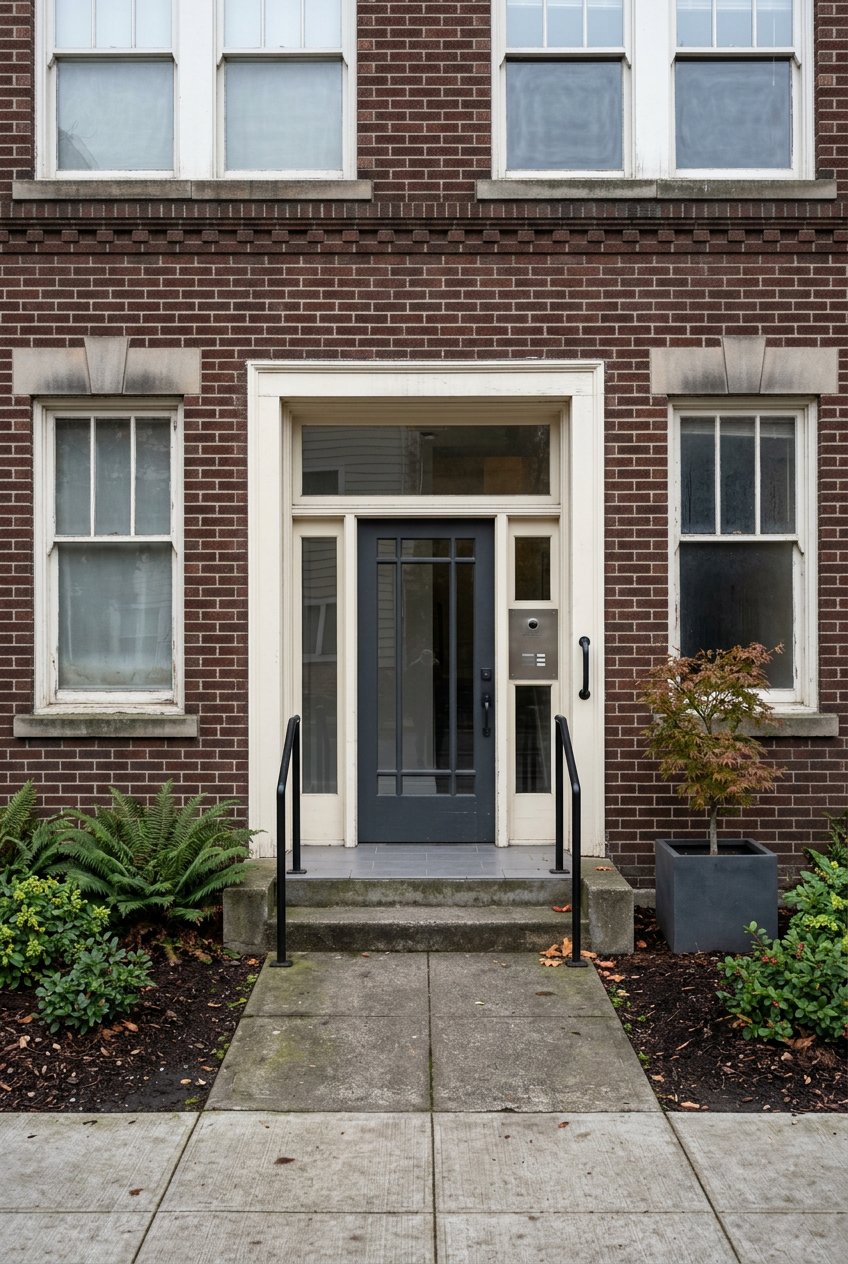
Thinking about a condo or co-op in Seattle’s Capitol Hill but not sure where to start? You are not alone. Between different ownership types, HOA rules, lender requirements, and older building quirks, it can feel complex fast. This guide breaks down what matters in 98102 so you can buy with confidence and protect your resale value. Let’s dive in.
Capitol Hill snapshot: prices and transit
Capitol Hill offers a mix of pre-war walk-ups, mid-century buildings, and newer podium mid-rises near Broadway and Cal Anderson Park. The Link light rail at Capitol Hill Station makes car-free living practical, and transit-oriented development has added new homes and amenities around the station, which supports steady condo demand. You can explore the station area context through Sound Transit’s overview of Capitol Hill Station and nearby development.
Know your numbers and the date behind them:
- Zillow’s Home Value Index for 98102 was about $731,110 (Jan 2026, broad value index).
- Realtor.com reported a median listing price near $939,475 (Oct 2025, listing-based).
- Redfin’s median sale price for the Capitol Hill neighborhood was about $549,000 (Jan 2026, closed-sales median).
These figures differ because each platform measures a different sample, such as listings, closed sales, or algorithmic estimates. Condo prices and small-unit inventory can shift faster than single-family homes, so track recent comps and building-specific factors before you write an offer.
Quick reminder: If you plan to use FHA or VA financing, verify condo project approval early and document it in your offer. See HUD’s overview of FHA condo project approval guidance.
Condo vs co-op basics in Washington
What you own
- Condominium: You own a deeded unit plus an undivided share of common elements, with rights and duties defined by the declaration and bylaws. Washington’s Condominium Act (RCW 64.34) and newer rules under WUCIOA (RCW 64.90) govern many disclosures and association practices. You can review the Washington Condominium Act and the WUCIOA chapter list for statutory context.
- Cooperative: You buy shares in a corporation that owns the building and receive a proprietary lease for your unit. Co-ops exist in Capitol Hill, often in historic walk-ups. A local example is the Princeton Co-op, which provides a snapshot of co-op history in the neighborhood.
Governance and approvals
- Condos: The HOA manages the property, collects dues, and enforces rules. Resales usually flow through standardized disclosures.
- Co-ops: Boards commonly vet buyers, review financials, and may require interviews. Approval steps can affect your timeline and resale liquidity. For a plain-language overview, see the consumer primer on co-op vs condo differences.
Taxes and title
- Condos: Units are separately titled and taxed.
- Co-ops: Interests are generally treated as personal property unless the governing documents say otherwise. Washington law addresses this distinction in RCW 64.90.020.
Financing differences
- Condos: Lenders underwrite you and the project. FHA, VA, and many conventional loans require acceptable owner-occupancy ratios, reserves, insurance, and no problematic litigation. See HUD’s FHA info hub.
- Co-ops: Financing is structured as a share loan. Some lenders require larger down payments and co-op board approval can add time. Fewer lenders serve co-ops than condos, which can limit options.
Quick compare: condo, co-op, small buildings
| Topic | Condo | Co-op | Small Building Notes |
|---|---|---|---|
| Ownership | Deeded unit + share of common elements | Shares in a corporation + proprietary lease | Can be condo, co-op, or rental; check conversion history |
| Financing | Buyer + project underwritten | Share loan; fewer lenders | Project traits matter most for underwriting |
| Board Rules | HOA rules, simpler resale | Board approval and interviews common | Older walk-ups may have simpler amenities, lower dues |
| Taxes | Unit taxed separately | Often personal property unless docs say otherwise | Verify individual unit tax treatment |
| Resale | Broad lender pool supports liquidity | Approval steps can slow resales | Condition, reserves, and amenities drive demand |
Will your loan work here?
Before you fall in love with a unit, confirm these items with your lender and agent:
- FHA/VA eligibility: Is the project on an approved list or eligible for spot review? Start with HUD’s FHA condo project guidance.
- HOA dues in your DTI: Lenders count monthly dues. Ask how this affects your max budget.
- Association health: Low reserves, high delinquency, or litigation can block loans.
- Insurance and commercial mix: Verify adequate master insurance and a lender-friendly commercial-to-residential ratio.
HOA dues: what they cover
Monthly dues often cover the master insurance policy, common-area maintenance, management, some utilities, and reserve contributions. In Capitol Hill, many one-bedroom listings show dues in the 300 to 600 dollar range, while amenity-heavy or newer podium buildings can be higher. Ask for a breakdown to see how much is going to operations, utilities, and reserves.
In Washington, condo buyers receive a resale certificate that summarizes budget, insurance, and key disclosures. Review it within your contingency window, alongside the declaration, bylaws, rules, and the current reserve study. The Washington Condominium Act sets rules for resale disclosures and timing.
What to request and review
Gather these documents as soon as your offer is accepted, and review them before you waive contingencies:
- CC&Rs, bylaws, and house rules
- Resale certificate, prepared per statute
- Current budget, balance sheet, and recent bank statements
- Latest reserve study and recommended funding plan
- Board and membership meeting minutes for the past 6 to 12 months
- Insurance summary, including deductible amounts and coverage scope
- Special assessment history and pending projects or permits
Red flags that deserve a closer look:
- Reserves well below the reserve study’s recommendation or a low “percent funded” level. See CAI’s reserve study FAQ to understand percent-funded metrics.
- Frequent special assessments or high delinquency rates on dues.
- Active litigation or unresolved defect claims.
- Project traits that constrain lending, such as high investor ratios or large commercial space.
Inspections that matter in Capitol Hill
Capitol Hill’s building stock is diverse. Match your inspections to the building type and the visible signs on site.
- Water intrusion and envelope issues: Look for stains at ceilings or windows, missing or failed flashing, and cracked balcony membranes. If you see suspicious signs, add a building-envelope or moisture scan to your inspection.
- Balconies and decks: Membrane failures and drainage problems are common in rainy climates and can lead to costly repairs and special assessments.
- Plumbing and mechanicals: In mid-century buildings, ask about repipe history and elevator modernization plans. Big-ticket mechanical items often appear in reserve studies, and elevator work is a capital-intensive project that associations must plan for.
- Seismic risk and URMs: Seattle has many unreinforced masonry buildings, including on Capitol Hill. Review whether a building is on the city’s URM lists and whether retrofits have been completed. Local reporting summarizes URM retrofit cost ranges and policy context. Use the Seattle Services Portal to check permits and verify major work.
You can search permit and property records through the Seattle Department of Construction & Inspections. Always align your inspection scope with what you see in the minutes, reserve study, and permit history.
Why building type matters in Capitol Hill
- Pre-war walk-ups: Expect character, potential co-op ownership, and sometimes masonry construction. Prioritize envelope condition, window flashing, and plumbing age. Dues can be modest, but reserves may be lean if the association has not kept pace with rising costs.
- 1980s–90s low or mid-rises: Focus on balconies, siding, windows, and any elevator systems. Deck membrane failures and window replacement cycles are common capital items.
- Post-2000 podium buildings: You often get structured parking, elevators, and modern amenities. Dues tend to be higher because of staffing, systems, and larger reserve needs. Lender approval is generally smoother when reserves and insurance are strong.
Step-by-step buying flow
- Pre-approval and loan fit
- Confirm whether you will use conventional, FHA, or VA financing. If you need FHA/VA, verify project eligibility early to avoid surprises. Use HUD’s FHA info page as a starting point.
- Request the HOA package immediately
- Make the resale certificate, declaration, bylaws, budget, financials, reserve study, minutes, and insurance summary part of your document contingency. Washington’s Condominium Act outlines key resale disclosures and timing.
- Order a condo-aware inspection
- Hire an inspector who understands multiunit buildings. Add targeted specialists if minutes or visuals suggest envelope, balcony, elevator, or mechanical concerns.
- Check permits and project history
- Use Seattle’s Services Portal to review permits, contractor records, and any open or expired permits. This can corroborate HOA minutes and reveal unpermitted work. Start here: SDCI permits and property records.
- Analyze reserves and risk
- Compare budgeted reserve contributions to the reserve study’s recommendations. Ask for the current percent funded and planned projects. Learn the basics with CAI’s reserve study FAQ.
- Legal and closing review
- Use an experienced escrow, title, or attorney who knows Washington’s condo statutes, including the transition to WUCIOA. Review any custom co-op provisions and board-approval timelines for co-op purchases. The WUCIOA chapter list is a helpful reference.
Showing-day checklist
Bring this list to each tour and jot quick notes:
- Exterior and envelope: Any staining, soft spots, or cracked balcony membranes visible from common areas?
- Windows and doors: Signs of failed seals, missing flashing, or water marks?
- Systems: Is there an elevator, and does the reserve study note modernization timelines or funding?
- Unit-level: Water stains near windows or ceilings, musty odors, or past repair patches?
- HOA insights: Ask the listing agent if there are pending assessments, litigation, or known projects. Confirm owner-occupancy ratio and rental rules.
- Documents request: Resale certificate, rules, budget, financials, reserve study, minutes, insurance summary.
Investor note: short-term rentals
If you plan to rent, review the City of Seattle’s short-term rental rules and licensing. Many associations also have their own rental caps or minimum lease terms. Verify both city requirements and HOA rules before you buy.
Resources to keep handy
- Washington Condominium Act, resale and disclosure rules: RCW 64.34
- WUCIOA, modernized rules for condos, HOAs, and co-ops: RCW 64.90 chapter list
- FHA condo project approval guidance: HUD FHA INFO
- Seattle permits and property history: SDCI Services Portal
- Understanding reserve studies and percent funded: Reserve study FAQ
- Capitol Hill Station TOD context: Sound Transit overview
Ready to find the right Capitol Hill condo or co-op and negotiate with clarity? Reach out to Mark Ashmun for data-backed guidance, skilled negotiation, and a smooth, step-by-step buying plan.
FAQs
What is the difference between a Capitol Hill condo and a co-op?
- Condos are deeded real property with an HOA, while co-ops are shares in a corporation with a proprietary lease; co-ops often require board approval and financing can be more limited, as outlined in the co-op vs condo primer and Washington statutes.
How do HOA reserves impact my costs in 98102?
- Low reserves increase the risk of special assessments, while strong reserves reduce surprises; compare the budget to the reserve study’s recommendations and learn percent-funded basics in the reserve study FAQ.
Can I use an FHA loan to buy a Capitol Hill condo?
- Yes, if the project meets FHA criteria or qualifies for a spot review; verify early and align your offer with the guidance in HUD’s FHA condo project resources.
What inspections should I order for older Capitol Hill buildings?
- Start with a condo-aware home inspection, then add a building-envelope or moisture scan for water intrusion concerns, and consider elevator or mechanical reviews if the reserve study or minutes indicate near-term work.
How do I research a building’s repair history in Seattle?
- Search permits and records in the Seattle Services Portal through SDCI, then compare findings with HOA minutes, the reserve study, and the resale certificate.