If more space is on your wish list, Woodinville probably keeps showing up for a reason. You may be looking for room to breathe, a little more privacy, or land that supports the way you actually want to live without feeling cut off from Seattle and the Eastside. This guide will help you understand what acreage living in Woodinville can offer, what practical tradeoffs come with it, and which questions matter most before you buy. Let’s dive in.
Why Woodinville draws acreage buyers
Woodinville offers a mix that can feel hard to find in the Seattle area. The city is about 15 miles northeast of Seattle, and it pairs a more open, woodsy feel with access to regional job centers, daily errands, and major travel routes.
That balance is part of Woodinville’s identity. The city reports a 2025 population of 14,060 across 5.65 square miles and describes itself through wine, tourism, and recreation. Its planning framework also points to a strong community focus on preserving Woodinville’s Northwest woodland character.
For many buyers, that means acreage here is not just about owning more land. It is about finding a lifestyle that feels calmer, greener, and more flexible while staying connected to the wider Eastside.
What acreage living can mean
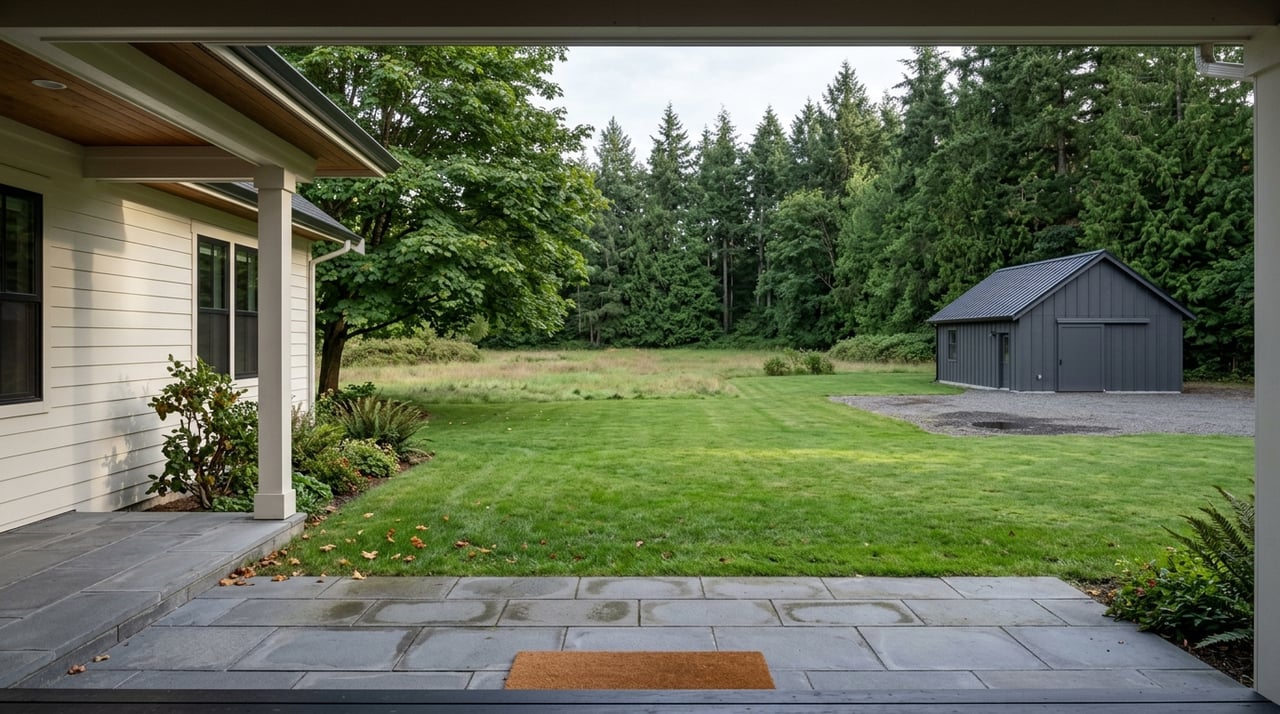
Acreage living in Woodinville can take different forms depending on the parcel, the setting, and whether the property sits inside city limits or in unincorporated King County. Some homes may feel semi-rural, while others offer a larger-lot experience with nearby amenities and established neighborhoods.
Woodinville’s zoning map includes lower-density residential designations such as R-1, labeled as 1 unit per acre. That does not mean every property marketed as “acreage” has the same use potential, but it does show that lower-density living is part of the local land-use framework.
In practical terms, the appeal often comes down to privacy, flexibility, and breathing room. You may be looking for space for gardens, outdoor entertaining, pets, storage, or simply more distance between you and your neighbors.
The lifestyle side of Woodinville land
One of the biggest reasons buyers consider acreage in Woodinville is the setting itself. The city is closely tied to outdoor recreation, open space, and a slower-feeling rhythm than denser Eastside areas.
Woodinville maintains three community parks, five neighborhood parks, and more than 130 acres of open space and environmental protection areas. That network adds to the daily experience of living here, whether you want a trail run, a bike ride, or a quiet walk close to home.
The Sammamish River Trail is another major lifestyle feature. It runs 10.1 miles through Woodinville and connects recreational use with practical commuting, passing Wilmot Gateway Park as well as local wineries and breweries. The trail also includes a separate soft-surface equestrian path between Woodinville and Marymoor Park.
The city is also planning for more outdoor connectivity through the Eastrail Corridor Project. That project is designed to transform a dormant 1.9-mile rail line into a multi-use trail and linear park through downtown Woodinville, with a future connection to the broader 42-mile Eastrail network.
Wine country adds to the appeal
Woodinville’s wine-country identity shapes the feel of the area in a real way. The city reports more than 100 tasting rooms for wine, beer, and spirits within city limits, while Woodinville Wine Country says the area includes more than 130 wineries across four winemaking districts.
For buyers, that creates a setting that feels both local and destination-oriented. You get a place known for recreation and tourism, but also one that many people choose for everyday living because it feels intimate, accessible, and unhurried.
That atmosphere can be especially appealing if you want land without giving up the ability to enjoy nearby amenities. In Woodinville, acreage living often comes with that rare blend of open space and built-in lifestyle value.
The practical reality of larger parcels
More land can be exciting, but it also changes what ownership asks of you. A larger parcel is not just a housing choice. It is also a land-management decision.
Washington State University Extension highlights issues that often matter on small-acreage properties, including mud and manure management, fencing, pasture care, wells, and septic maintenance. Even if you are not planning any agricultural use, these topics show how quickly the responsibilities can differ from a standard suburban lot.
That is why it helps to think beyond the house itself. The condition, usability, and maintenance demands of the land may affect your budget, time, and long-term satisfaction just as much as the floor plan or finishes.
Septic and well questions matter
If a Woodinville-area property relies on septic, due diligence is essential. King County notes that septic access covers may be in the yard, as-built drawings show system location, and septic tanks usually need pumping every 3 to 5 years depending on use.
The county also points out that regular inspections can catch small issues before they turn into major failures. On a larger parcel, where systems may be less visible day to day, that history becomes especially important.
Private wells need the same level of attention. King County says private wells serving a single-family residence and up to one ADU must go through county review and health approval, including site approval, water-quality review, and pump testing.
If a property has a private well, septic system, or both, you will want to understand not just whether they exist, but how they have been maintained. Those details can directly affect your ownership costs and confidence in the property.
Land-use limits can shape your plans
One of the most common mistakes acreage buyers make is assuming the land will support every idea they have for it. In reality, each parcel needs its own review.
Woodinville says private-property use is regulated by its Unified Development Code and related rules, and city planners review applications for issues such as SEPA, critical areas, tree protection, and other land-use regulations. The city also maintains map layers that identify wetlands, sensitive geologic areas, drainage basins, and stormwater flow-control areas.
At the county level, King County’s planning framework protects farms and forests through the urban growth boundary and limits development in hazard areas such as steep slopes and flood zones while also protecting wetlands and streams. For buyers, that means the usable portion of a property may differ from the total lot size shown in a listing.
If you are imagining gardens, outbuildings, hobby uses, or other land improvements, this step matters. The key question is not just how much land the parcel has, but what that land can realistically support.
City limits or unincorporated area?
This question can have a big impact on your ownership experience. Some Woodinville-area properties are inside city limits, while others are in unincorporated King County.
King County notes that unincorporated areas are outside city limits and governed locally by the county. That can affect which rules, review processes, and departments apply to the property.
For a buyer, jurisdiction is not a minor technical detail. It can influence permitting, land-use review, utility questions, and how you plan for future improvements.
Daily life and commuting from Woodinville
Acreage living often means trading some convenience for space, but Woodinville offers a more connected version of that tradeoff than many buyers expect. Its location supports a hybrid lifestyle that blends privacy with regional access.
Woodinville sits along an important travel corridor. WSDOT describes SR 522 as a key east-west route connecting communities between Woodinville and Monroe, and ongoing I-405/SR 522 improvements near the interchange highlight how important mobility is in this area.
Transit options are available too, though the pattern is more park-and-ride and bus based than rail centered. Woodinville Park & Ride currently lists routes 231, 256, 522, and 931.
That means your routine may look different from life in a denser Seattle neighborhood. You may gain more land and privacy, but you will also want to think carefully about drive times, traffic patterns, and how often you want to be on the road for work, errands, or activities.
How to evaluate a Woodinville acreage property
When you tour larger parcels, it helps to slow down and evaluate the land with the same care you give the house. A great kitchen or beautiful primary suite will not answer the most important acreage questions.
Here are a few of the biggest ones to ask:
- Is the property inside Woodinville city limits or in unincorporated King County?
- Does it rely on a private well, septic system, or both?
- What is the age and maintenance history of the septic, well, drainage, and vegetation?
- Are there wetlands, steep slopes, drainage constraints, or other critical-area concerns?
- Does the parcel actually fit your plans for gardens, pets, hobby uses, or outbuildings?
These questions help move the conversation from dream to reality. They also help you avoid paying a premium for land that does not function the way you expect.
Why local guidance matters
Woodinville acreage properties can be compelling, but they are rarely simple. Every parcel has its own mix of jurisdiction, utilities, land features, access, and long-term value considerations.
That is where informed, property-specific guidance matters. If you are serious about buying in Woodinville, you want clear eyes on the tradeoffs, a strong review of the practical details, and a negotiation strategy that protects your time and money.
If you are exploring Woodinville acreage living and want thoughtful, data-informed guidance on what fits your goals, connect with Mark Ashmun. You will get clear advice, responsive communication, and a high-touch buying experience built around smart decisions.
FAQs
What does acreage living in Woodinville usually mean?
- In Woodinville, acreage living usually means a lower-density property with more privacy, more outdoor space, and added responsibility for land care, utilities, and long-term maintenance.
Are all Woodinville acreage properties inside city limits?
- No. Some properties are inside Woodinville city limits, while others are in unincorporated King County, which can affect land-use rules and review processes.
What should you check first on a Woodinville acreage property?
- Start by confirming jurisdiction, septic and well setup, maintenance history, and whether the land has wetlands, steep slopes, drainage issues, or other critical-area constraints.
Does Woodinville acreage living support an outdoor lifestyle?
- Yes. Woodinville offers parks, open space, the 10.1-mile Sammamish River Trail, and planned Eastrail connections that support recreation and everyday outdoor use.
Is Woodinville a practical choice for Seattle-area commuters?
- It can be, especially if you want more space while staying connected to the region. Woodinville is about 15 miles northeast of Seattle and has access to SR 522, I-405 connections, park-and-ride transit, and commuter trail options.
Why do buyers need extra due diligence for larger parcels near Woodinville?
- Larger parcels often involve more complex questions about septic, wells, drainage, tree protection, critical areas, and what parts of the land can actually be used for your intended plans.