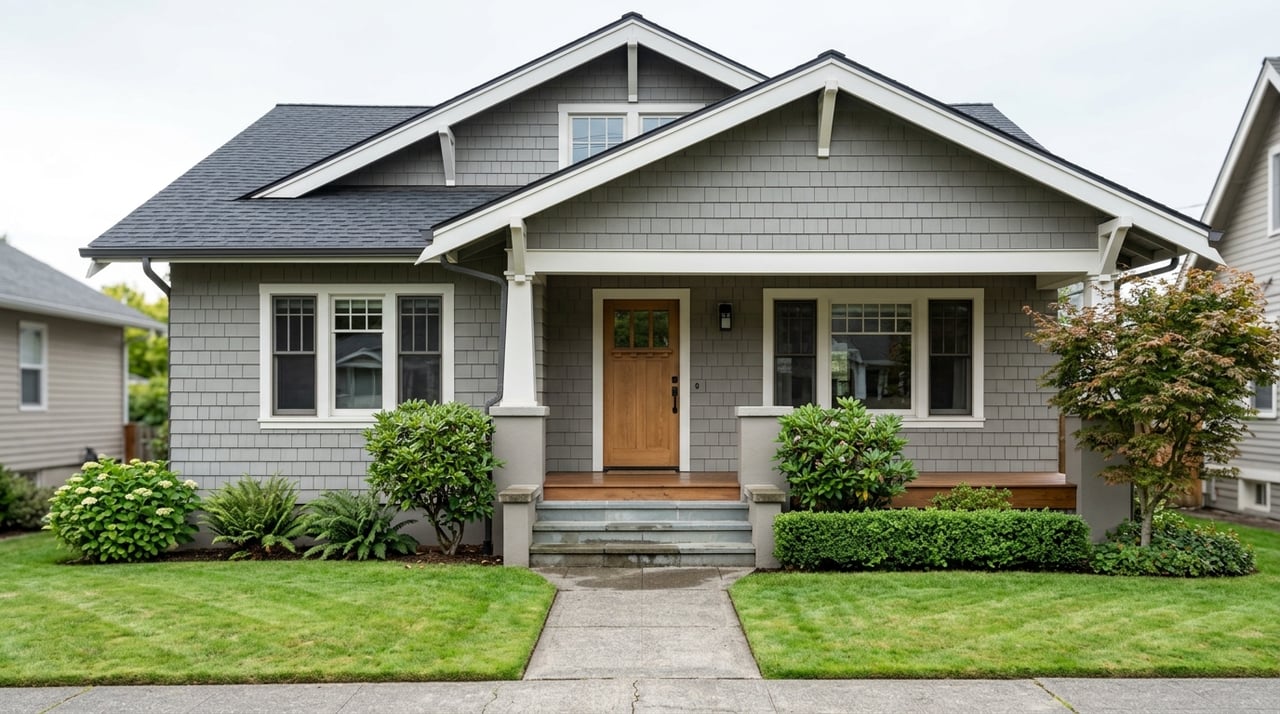
If you want multiple offers on your West Queen Anne Craftsman, charm alone is not enough. Buyers in Seattle still move quickly for the right home, but they are also more selective than they were during the frenzy years. The good news is that with the right prep, pricing, and launch strategy, you can turn classic architectural appeal into real competition. Let’s dive in.
West Queen Anne Still Rewards Strong Listings
Seattle remained highly competitive in spring 2026, with homes receiving an average of three offers and selling in about 12 days citywide, according to Redfin. At the same time, local market reports show a clear split between homes that feel polished and priced well versus listings that appear overpriced or need work.
That pattern matters in West Queen Anne. Recent reports placed median days on market in the neighborhood between roughly 21 and 26 days, with median sold prices in the high-$900,000 range depending on the source and reporting window. The exact numbers vary, but the takeaway is consistent: presentation and pricing still drive results.
For a Craftsman seller, that is encouraging. You do not need a bidding war built on hype. You need a home that looks move-in ready, tells a clear architectural story, and creates strong interest as soon as it hits the market.
Highlight What Makes a Craftsman Special
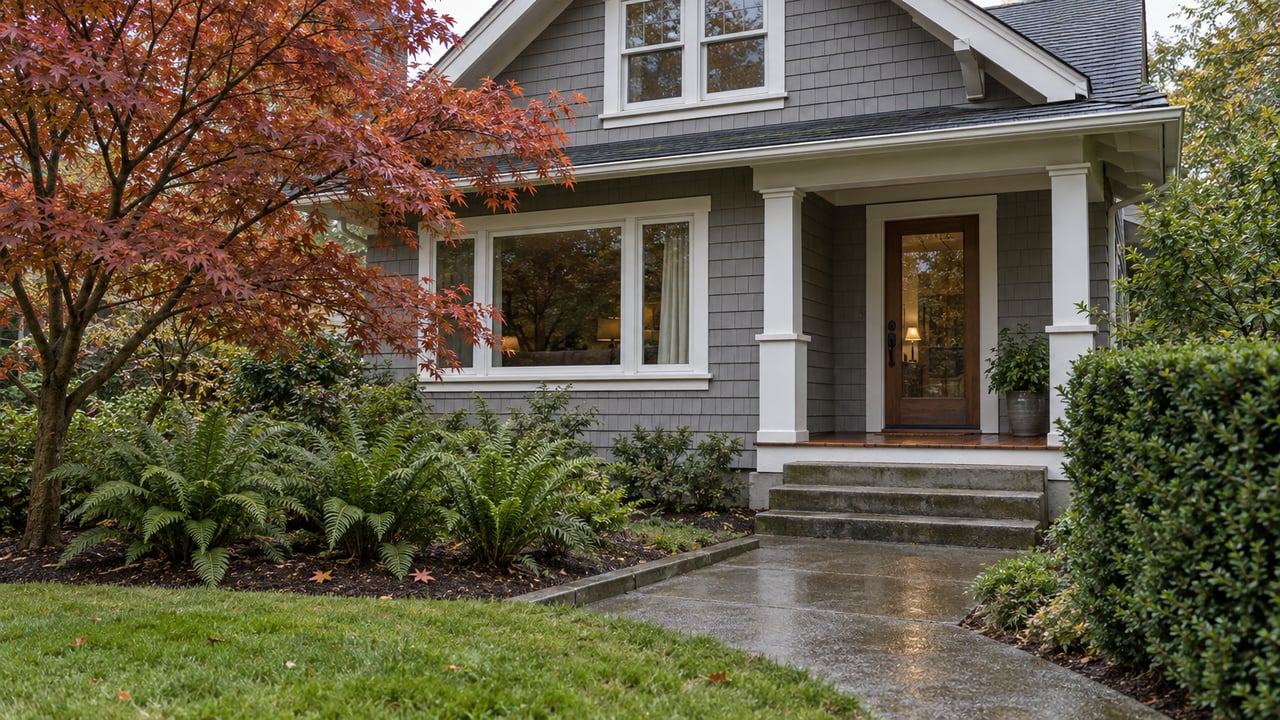
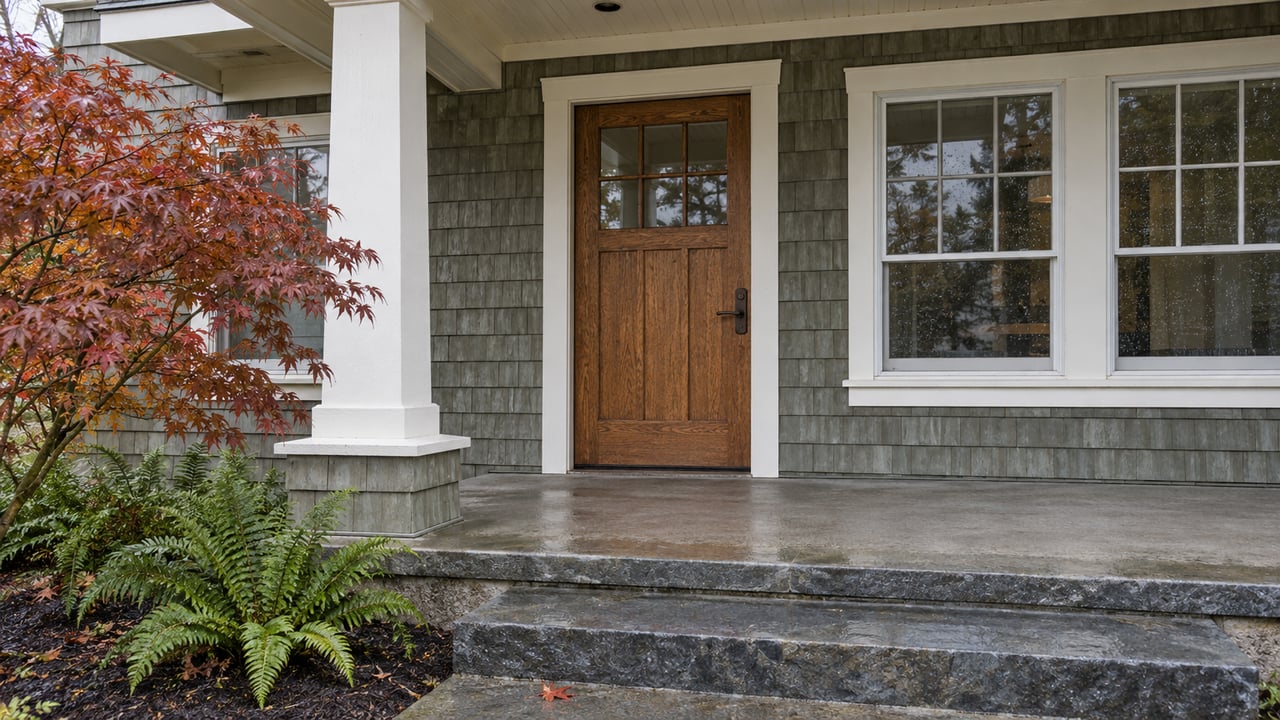
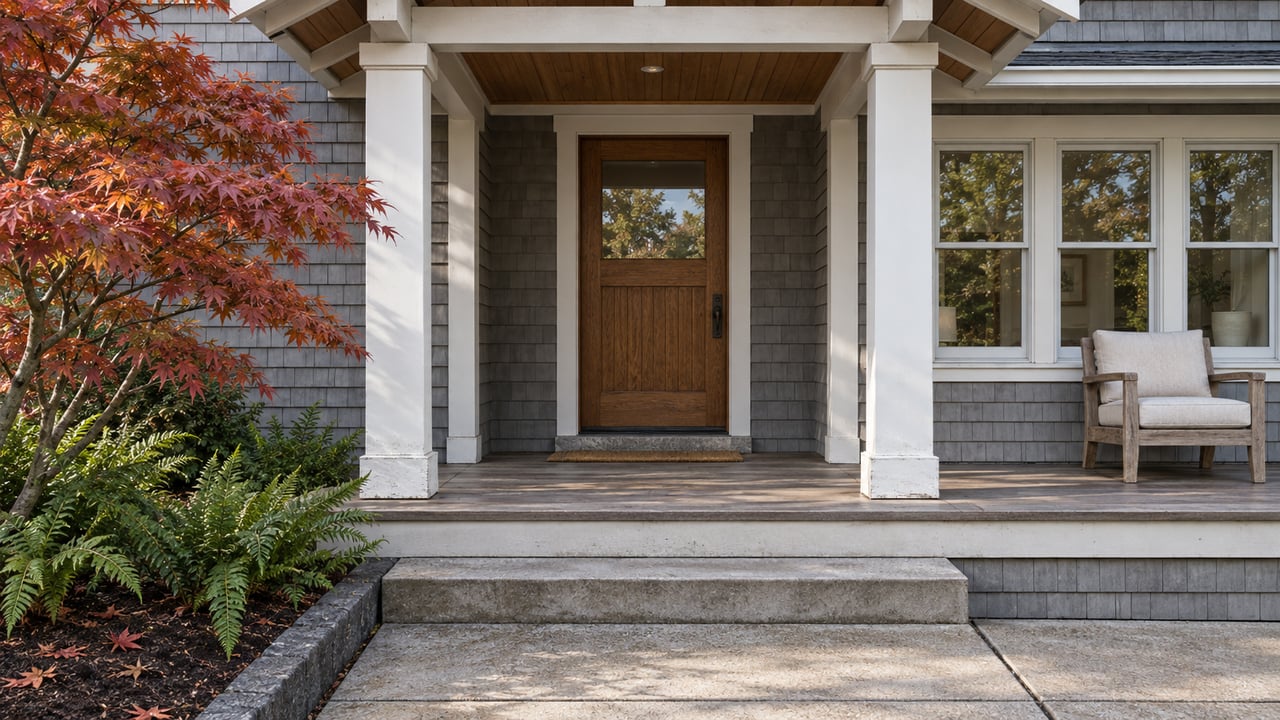
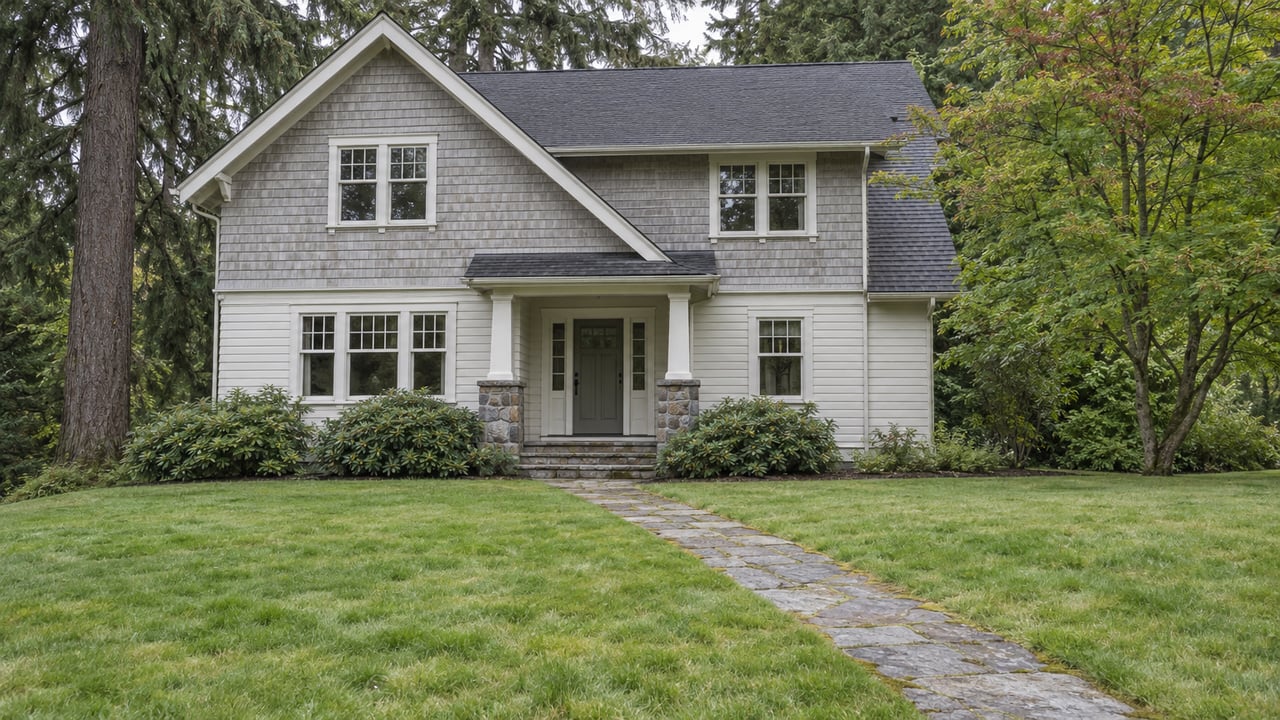
A Queen Anne Craftsman has value beyond square footage. Washington preservation guidance describes these homes as known for broad rooflines, porches, natural materials, exposed brackets or rafters, mixed textures, and an open living and dining feel. In Seattle, those details are often a big part of what draws buyers in.
That means your prep should protect and emphasize the features buyers already love. Porch depth, wood trim, window light, roofline character, and original material texture should be visible in person and in photos.
Heavy staging, dark wall colors, or furniture that blocks trim and windows can work against you. If buyers cannot immediately read the home’s architecture, you lose one of your strongest advantages.
Focus on the visual story
When buyers scroll through listings online, they decide fast. A Craftsman that feels bright, balanced, and true to its style usually stands out more than one that feels over-designed or visually crowded.
In practical terms, that often means:
- keeping porches clean and open
- removing bulky furniture that hides room flow
- using lighter, simple decor that complements wood details
- making sure key trim, built-ins, and window lines are easy to see
Check Historic Rules Before Exterior Changes
Before you repaint, replace windows, or make visible exterior updates, it is smart to confirm whether your home is a designated landmark or located within a historic district. Seattle’s Historic Preservation program requires a Certificate of Approval for certain changes to protected properties.
This is especially important in older Seattle neighborhoods where architectural character is part of the appeal. A pre-listing plan should include verifying whether exterior work is straightforward cosmetic maintenance or something that needs city review.
Safe planning avoids last-minute delays
If your goal is to list on a specific timeline, this step matters early. You do not want to schedule exterior work, only to discover that approvals affect the timing.
In many cases, the best path is not a dramatic exterior change anyway. Buyers often respond more strongly to a well-maintained, clean, visually coherent home than to rushed updates that do not fit the architecture.
Start With the Prep That Buyers Actually Notice
If you are trying to create multiple offers, major remodeling is usually not the first move. The most effective pre-listing work is often simpler: decluttering, deep cleaning, small repairs, paint touch-ups where appropriate, landscape cleanup, staging, and high-quality listing media.
That approach matches what buyer and seller research continues to show. Home staging helps buyers picture the property as their future home, and many agents report that staging can reduce time on market and improve offer strength.
Use a smart prep sequence
A strong sequence for a West Queen Anne Craftsman looks like this:
- Declutter and deep clean
- Complete minor repairs
- Refresh paint and landscaping where needed
- Stage the most important rooms
- Photograph, map the floor plan, and launch
This process helps your home feel finished rather than in progress. That distinction matters because buyers shopping in Queen Anne often compare presentation closely.
Stage the rooms that carry the listing
Research on staging consistently points to a few rooms as the most important: the living room, kitchen, and primary bedroom. In a Craftsman, the living room often carries even more weight because that is where built-ins, fireplace details, windows, and room flow tend to shine.
You do not need to fill every room with decor. You need each high-impact space to feel clean, open, and easy to understand.
Clean lines beat crowded styling
Buyers want to picture their life in the home. That gets harder when shelves are full, countertops are busy, or furniture makes rooms feel smaller.
For a Craftsman, simple styling usually wins. Let the millwork, natural light, and layout do the work.
Photos and Floor Plans Matter More Than Ever
Many buyers will meet your home online before they ever step inside. That first impression has to do more than look attractive. It has to make the layout and character easy to understand.
Recent buyer research found that floor plans rank first among listing features, followed by high-resolution photos, with 3D or virtual tours close behind. That is especially relevant for Queen Anne Craftsman homes, where room flow, porch connection, and natural light are a big part of the appeal.
Make the layout easy to read
Older homes sometimes have quirks, and buyers notice them quickly online. A clear floor plan helps them understand how spaces connect and where the value lives.
Professional photography also matters because it captures details that casual snapshots miss, such as trim depth, ceiling lines, and the warmth of natural materials. Strong media can create the early traction that leads to better showing activity in the first days on market.
Price for Attention, Not Negotiation Room
In a competitive but selective market, overpricing is one of the fastest ways to lose momentum. Seattle market reports show that well-prepped, well-priced homes in established neighborhoods can still sell quickly, while overpriced or condition-challenged listings may sit for far longer.
That means the goal is not to test the market with an aspirational number. The goal is to enter at a price that reflects current West Queen Anne buyer expectations and invites action.
Why early momentum matters
The first wave of interest is usually your best opportunity to create competition. If buyers see the home as fresh, well-presented, and fairly priced, they are more likely to move fast.
If they see a price that feels disconnected from condition or recent neighborhood activity, they may wait, skip it, or assume future reductions are coming. That weakens the urgency you need for multiple offers.
Build a Launch Plan Around the First Week
Timing still matters, especially in spring. National 2026 seller research pointed to mid-April as a strong listing window, and spring contract activity was up year over year for sellers who priced competitively from the start.
You cannot control the entire market, but you can control your rollout. A thoughtful launch plan gives your home the best chance to collect attention before the listing feels stale.
What a strong launch includes
For a premium Seattle listing, that usually means:
- complete prep before going live
- professional photography and video
- a clear floor plan
- polished public remarks that highlight the home’s character
- an offer review timeline decided in advance
This kind of rollout supports the white-glove experience sellers want and helps buyers feel that the home has been thoughtfully presented.
Prepare for Multiple Offers Before They Arrive
If your home draws strong interest, you do not want to figure out your strategy on the fly. The highest price is not always the best offer. Terms matter too, including contingencies, closing timing, earnest money, and the overall likelihood of closing smoothly.
A smart seller decides ahead of time what matters most. Is your priority maximum net proceeds, a cleaner path to closing, or a timeline that fits your move?
Compare the full offer, not just the headline
When several offers arrive, you may be looking at different structures. Some buyers may have stronger financing, fewer contingencies, or more flexible closing dates. Others may use escalation language that changes the apparent price.
That is why reviewing net terms is so important. A calm, organized review process helps you avoid reacting only to the top number and keeps the focus on the offer that best matches your goals.
Decide your negotiation path early
There are different ways to handle multiple offers. Sellers may ask for best and final terms, counter one offer while holding others, or reject less attractive offers and narrow the field.
Because counteroffers can change the legal posture of a deal, it helps to have your approach mapped out before review day. That kind of planning reduces stress and supports better decision-making when the stakes are high.
Keep Washington Disclosure Timing in Mind
Even in a hot listing, Washington timelines move quickly after mutual acceptance. State law generally requires a residential seller to deliver the disclosure statement within five business days after mutual acceptance unless the buyer waived the right to receive it. Buyers generally then have three business days after receipt to rescind unless otherwise agreed.
That means your paperwork should not be an afterthought. If your listing is likely to attract quick action, preparing disclosures early can help the transaction stay organized once you accept an offer.
The Real Goal Is Stronger Offers
A West Queen Anne Craftsman does not get multiple offers just because it is charming or historic. It gets them when the home feels cared for, priced with discipline, marketed with clarity, and launched with a plan.
That is where strong results usually come from in today’s market. When buyers can immediately see the character, understand the layout, and trust the pricing, they are far more likely to compete.
If you are thinking about selling and want a strategy built around presentation, timing, and negotiation, Mark Ashmun can help you position your home for the strongest possible response.
FAQs
How competitive is the West Queen Anne housing market for sellers?
- West Queen Anne remains competitive, with recent reports showing median days on market of roughly 21 to 26 days, but buyers are selective and respond best to homes that are well-prepared and priced correctly.
What features should sellers highlight in a Queen Anne Craftsman home?
- Sellers should highlight visible Craftsman elements such as porches, broad rooflines, wood trim, natural materials, mixed exterior textures, and open living and dining flow.
Should sellers renovate a West Queen Anne Craftsman before listing?
- In many cases, cosmetic improvements like decluttering, deep cleaning, small repairs, staging, and landscape refreshes are more effective than major remodels when the goal is generating strong early interest.
Do historic rules affect exterior updates on Queen Anne homes?
- Yes, if the property is a designated landmark or in a historic district, certain exterior changes may require Seattle approval before the work is done.
What listing media matters most for a Seattle Craftsman sale?
- Clear floor plans, high-resolution photography, and strong visual presentation matter most because buyers often evaluate layout and character online before booking a showing.
How should sellers evaluate multiple offers on a West Queen Anne home?
- Sellers should compare total terms, including price, contingencies, earnest money, financing strength, and closing timeline, rather than focusing only on the highest headline number.
When do Washington sellers provide the disclosure statement?
- Washington sellers generally provide the disclosure statement within five business days after mutual acceptance unless the buyer waived that right, and buyers generally then have three business days after receipt to rescind unless otherwise agreed.