You do not need a packed weekend itinerary to understand Wallingford. Spend one ordinary day here, and the neighborhood starts to make sense fast. If you are curious about what daily life really feels like in this part of Seattle, this guide will walk you through the rhythm, convenience, and housing mix that define Wallingford. Let’s dive in.
Start on North 45th
Wallingford’s practical center is the N 45th Street and Wallingford Avenue N commercial node. City design guidance identifies this area as the neighborhood center and shopping district, which helps explain why so much of daily life can orbit a compact stretch of blocks.
That layout matters if you want a neighborhood where simple errands feel simple. Instead of planning your whole day around driving from stop to stop, you can move from coffee to lunch to a park walk with very little friction.
A morning here can begin at Coffeeholic House on Wallingford Avenue N, which opens daily at 7 a.m. If you want another option that blends coffee with a market feel, Stone’s Throw Coffee & Market on N 45th Street offers coffee, pastries, and a broader all-day setup.
Morning errands feel easy
One of Wallingford’s biggest strengths is how much life clusters near the core. Seattle planning documents describe strong pedestrian, bicycle, and transit connections, and that shows up in the lived experience of the street.
You can grab coffee, pick up a few basics, and keep moving without losing momentum. The neighborhood’s tree-lined streetscape also softens the experience, so a routine errand run feels more pleasant than purely functional.
This is one reason Wallingford appeals to busy buyers. If your weekdays are full, being able to accomplish a lot within a compact area can make a real difference in how your home supports your schedule.
Breakfast and lunch options nearby
Wallingford supports an all-day neighborhood routine without asking you to leave the core. Julia’s of Wallingford has been a breakfast and brunch fixture since 1983, making it an easy anchor for a slower morning.
For lunch, Hamsa on N 45th Street adds another layer to the neighborhood mix with Arabic street food, specialty coffee, and halal and vegetarian-friendly options. Together, spots like these show that Wallingford is not just convenient. It also has enough variety to keep the neighborhood feeling active and useful throughout the day.
Parks shape the daily rhythm
A good walkable neighborhood is not only about storefronts. It also needs places where you can reset, stretch out, or spend time outside without turning it into a major outing.
Wallingford has that advantage. Wallingford Playfield includes soccer fields, tennis courts, restrooms, a play area, and wading pools, and Seattle Parks notes that the play area was renovated in 2019.
If you want a bigger open-space experience, Gas Works Park adds picnic sites, views, and a play area. It is one of the neighborhood’s strongest lifestyle assets because it gives you quick access to Lake Union views and a sense of openness that can be hard to find in denser parts of Seattle.
One important note from Seattle Parks: access to Lake Union at Gas Works Park is restricted because the sediment contains hazardous substances. For most people, that does not change the value of the park as a place to walk, relax, and take in the view, but it is helpful context.
The Burke-Gilman connection
Wallingford feels especially connected because of the way its streets link into trails and nearby neighborhoods. The Wallingford Steps connect N 34th Street with the Burke-Gilman Trail and Gas Works Park, creating a short route to both waterfront scenery and one of Seattle’s best-known multi-use trails.
That connection changes the feel of the neighborhood. A casual afternoon can turn into a bike ride, a longer walk, or a quick trip toward adjacent areas without needing much planning.
Seattle also notes that the Wallingford Neighborhood Greenway is entering its second decade of service and is receiving added all-way stops and painted curb extensions near Burke Ave N, N 43rd St, Densmore Ave N, and Ashworth Ave N. That continued investment reinforces how central walking and biking are to the area’s street network.
Transit makes Wallingford flexible
Walkability is only part of the story. Wallingford also benefits from strong transit access, which helps if you want a car-light lifestyle or simply more options for commuting and getting around Seattle.
Route 44 is one of Seattle’s highest-ridership bus routes, with more than 9,300 weekday riders. It runs east-west through Ballard, Fremont, Wallingford, and the University District, and connects to U District Station.
The Route 44 corridor project, completed in 2023, added curb ramps, sidewalk work, pedestrian lighting, and bus-lane changes. Those upgrades matter because they improve both the commute and the everyday street experience.
U District Station is the nearest Link light rail anchor for this part of Wallingford. Sound Transit lists Route 44 and Route 45 among the bus connections there, making the station a practical transfer point if you are heading elsewhere in the city.
Wallingford also benefits from Route 62, which links Sand Point, Green Lake, Wallingford, South Lake Union, and Downtown Seattle. Route 45 adds more north Seattle connectivity, including Greenwood, Green Lake, Roosevelt, and the University District.
Nearby neighborhoods feel close
Another part of Wallingford’s appeal is how easily it spills into surrounding neighborhoods. City planning materials note strong bicycle, pedestrian, and transit connections, and that helps make nearby destinations feel accessible in day-to-day life.
From Wallingford, it is practical to think in clusters rather than isolated neighborhoods. Fremont, Green Lake, Roosevelt, the U District, and downtown all feel more connected when your home base already sits within a strong transit and street network.
For buyers, that can make Wallingford feel like a strategic choice. You are not just choosing one neighborhood experience. You are choosing a location that keeps several Seattle destinations within easier reach.
Housing options vary by block
Wallingford is not defined by one housing type. Seattle planning and historic sources show a mix of single-family, multifamily, neighborhood commercial, industrial major institutions, and commercial zoning in the broader planning area.
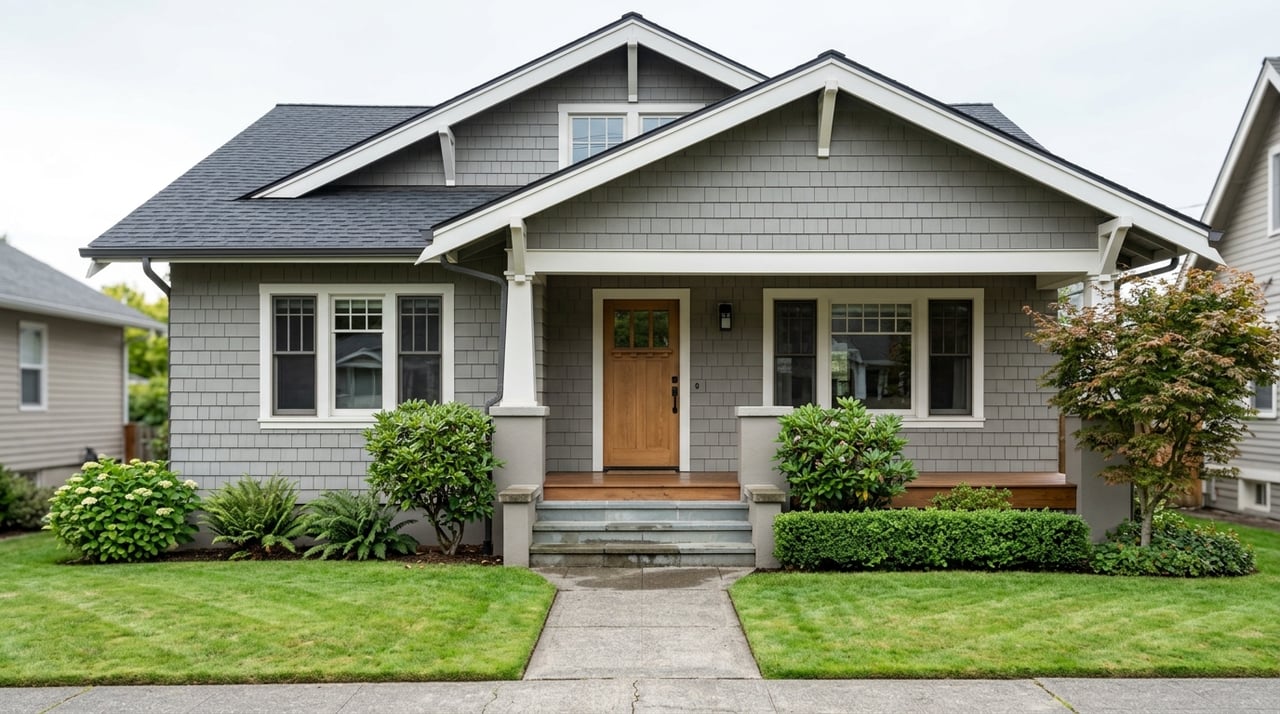
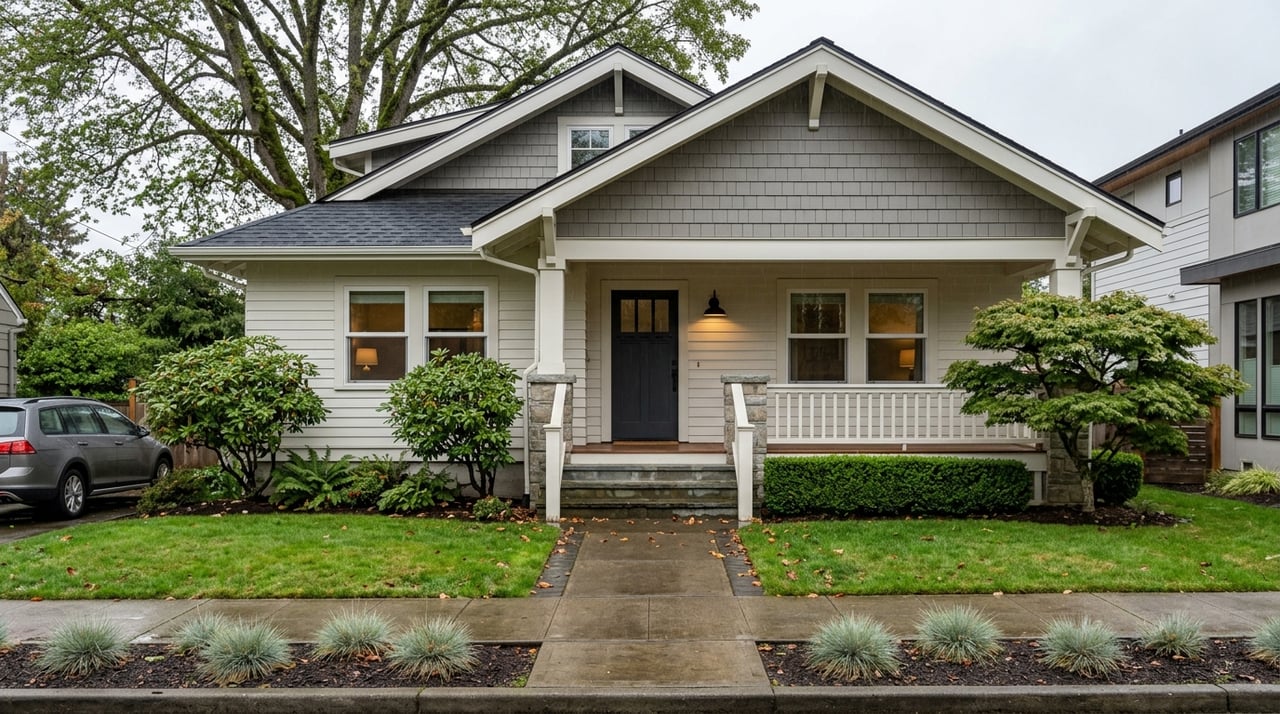
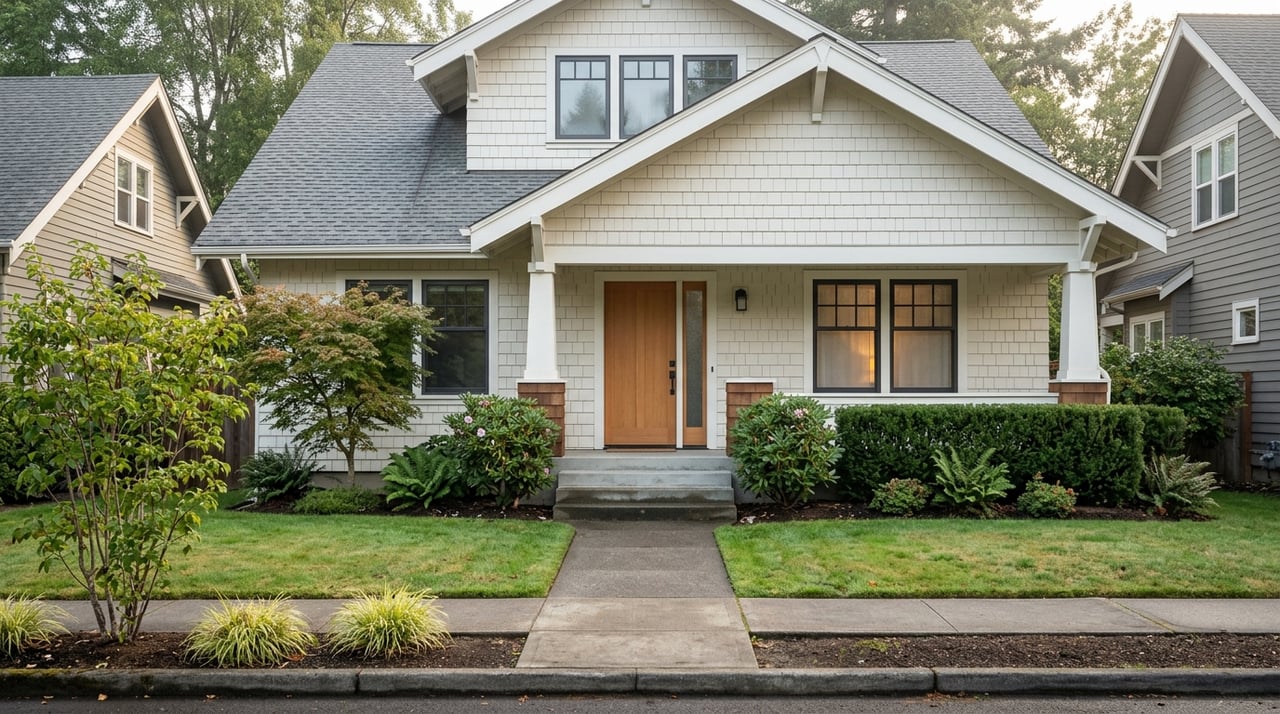
In practical terms, that means the neighborhood can support several living styles at once. You may find older detached homes on quieter interior streets, smaller apartment buildings and condos closer to the commercial core, and newer infill townhomes in select locations.
That range is useful if you are trying to match lifestyle with maintenance level, budget, and access. Some buyers want a house with more separation from the main corridor, while others prefer a lower-maintenance home closer to restaurants, transit, and daily errands.
Seattle’s historic survey also documents early 20th-century growth, including 1920s brick apartment buildings. More recent planning summaries note increased density through new condos and townhouses, so the neighborhood’s housing stock reflects both its history and its ongoing evolution.
Why buyers keep watching Wallingford
Seattle’s 2026 neighborhood planning summary recorded resident perceptions of high housing prices in Wallingford. At the same time, residents praised the neighborhood’s small businesses, restaurants, parks, and transit, pedestrian, and bike connections.
That combination helps explain why Wallingford remains on many buyers’ short lists. People are often willing to pay attention to neighborhoods where everyday convenience, outdoor access, and city connectivity all show up in one place.
Of course, no neighborhood offers guarantees about future value. But if you are looking for a Seattle area with a compact core, active street life, and multiple ways to move through your day, Wallingford makes a strong case.
What a day here really tells you
A day-in-the-life guide is helpful because it reveals more than a map can. In Wallingford, the story is not just that you can walk to coffee or catch a bus. It is that the neighborhood supports a routine that feels efficient, connected, and enjoyable.
You can start with coffee on 45th, move through errands without much hassle, spend part of the afternoon near a playfield or trail, and end the day with dinner close to where you began. Bizzarro Italian Cafe, open daily from 3 p.m. to 9 p.m., is one more example of how the core stays useful into the evening.
If you are weighing where to buy in north Seattle, Wallingford is worth seeing in person at street level. The details that make it work tend to show up block by block, not just in market stats.
If you are considering a move in Wallingford or want help understanding how this neighborhood fits your goals, Mark Ashmun can help you evaluate the market with clear guidance, local insight, and a thoughtful strategy.
FAQs
What makes Wallingford feel walkable day to day?
- Wallingford’s commercial core around N 45th Street and Wallingford Avenue N concentrates coffee shops, restaurants, and daily errands in a compact area, and city planning documents note strong pedestrian, bicycle, and transit connections.
What parks are most useful in Wallingford, Seattle?
- Wallingford Playfield and Gas Works Park are two key outdoor anchors, with amenities that include play areas, sports facilities, picnic space, and scenic views.
How do you get around Wallingford without driving?
- Route 44, Route 62, Route 45, the Wallingford Neighborhood Greenway, and access to U District Station all support car-light travel within Wallingford and to nearby Seattle neighborhoods.
What types of homes can you find in Wallingford, Seattle?
- Wallingford includes a mix of older detached houses, smaller apartment buildings, condos near the commercial core, and newer infill townhomes in select locations.
Is Wallingford connected to nearby Seattle neighborhoods?
- Yes. Planning and transit sources show strong connections to Fremont, Green Lake, Roosevelt, the University District, and downtown through walking, biking, and bus access.